
As an affiliate, we may earn a commission from qualifying purchases. We get commissions for purchases made through links on this website from Amazon and other third parties.
Smoothies are convenient, but convenience can hide a few weak spots. They can become too sweet, too large, too light to satisfy, or too easy to overbuild when every "good" ingredient gets thrown in at once. That does not make smoothies bad. It means they work best when you build them with a clear purpose.
The disadvantages usually come from how the smoothie is made and used. A good smoothie routine is practical. A careless one can get repetitive, unbalanced, or harder to enjoy than expected. If you want the wider comparison after this, the pros and cons of smoothies is the closest companion page.
Quick Answer
The main disadvantages of smoothies are that they can become too sweet, too large, not filling enough, or less satisfying than solid food depending on the recipe and portion. They can also make it easy to lose track of how much fruit, liquid, nut butter, yogurt, or sweet add-ins are going into one glass.
Most smoothie downsides are recipe and routine problems, not proof that smoothies are useless. The fix is usually a smaller portion, less sweet liquid, more texture support, or a better match between the smoothie and the job you want it to do.
Why Smoothies Can Backfire
Smoothies feel simple because everything goes into one blender. That is also the problem. A drink can quietly hold several servings of fruit, a large pour of juice, sweetened yogurt, nut butter, oats, seeds, and extra sweetener before it even reaches the glass.
That matters because the smoothie may no longer act like the light snack you had in mind. It might be closer to a full meal, or it might still leave you hungry because it has sweetness without enough body. If you are trying to understand the bigger tradeoff, the pros and cons of smoothies goes into that broader question.
Too Much Sweetness
One common disadvantage is sweetness creep. Juice, sweetened yogurt, flavored milk, honey, syrups, and several sweet fruits can make the smoothie taste good at first but too much like dessert by the end.
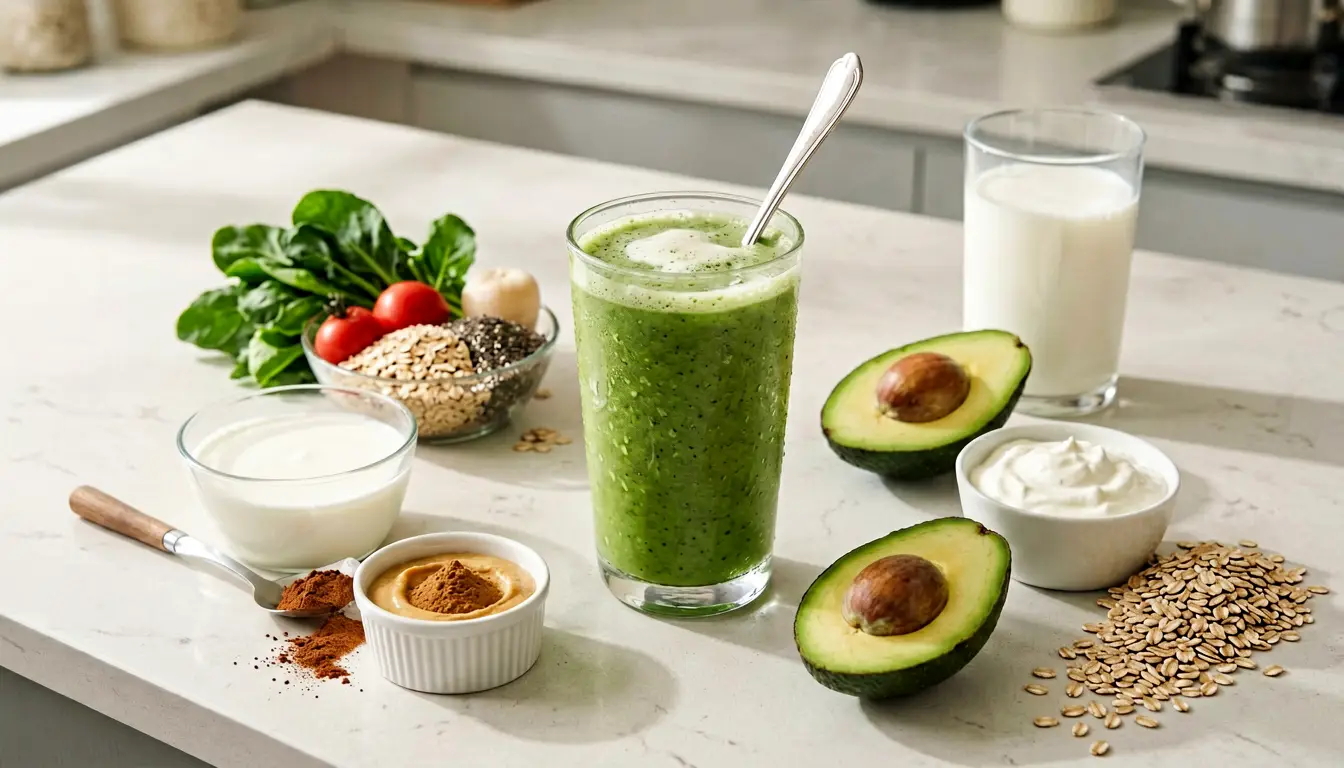
This is easiest to fix by choosing one main sweet fruit and one bright or creamy support ingredient. Berries, citrus, kiwi, plain yogurt, spinach, avocado, and unsweetened milk can all help balance the glass. For a more focused version of this problem, does smoothies have sugar explains where the sweetness usually comes from.
Weak Staying Power
Some smoothies disappear fast because they are mostly fruit and liquid. They may taste refreshing, but they do not always feel like breakfast. That can leave you hungry again sooner than expected.
If you want a smoothie to hold longer, it usually needs more structure. Yogurt, milk, soy milk, oats, chia, flax, tofu, cottage cheese, avocado, or nut butter can help. If the real question is whether a smoothie can stand in for food, can smoothies replace meals is the better meal-replacement guide.
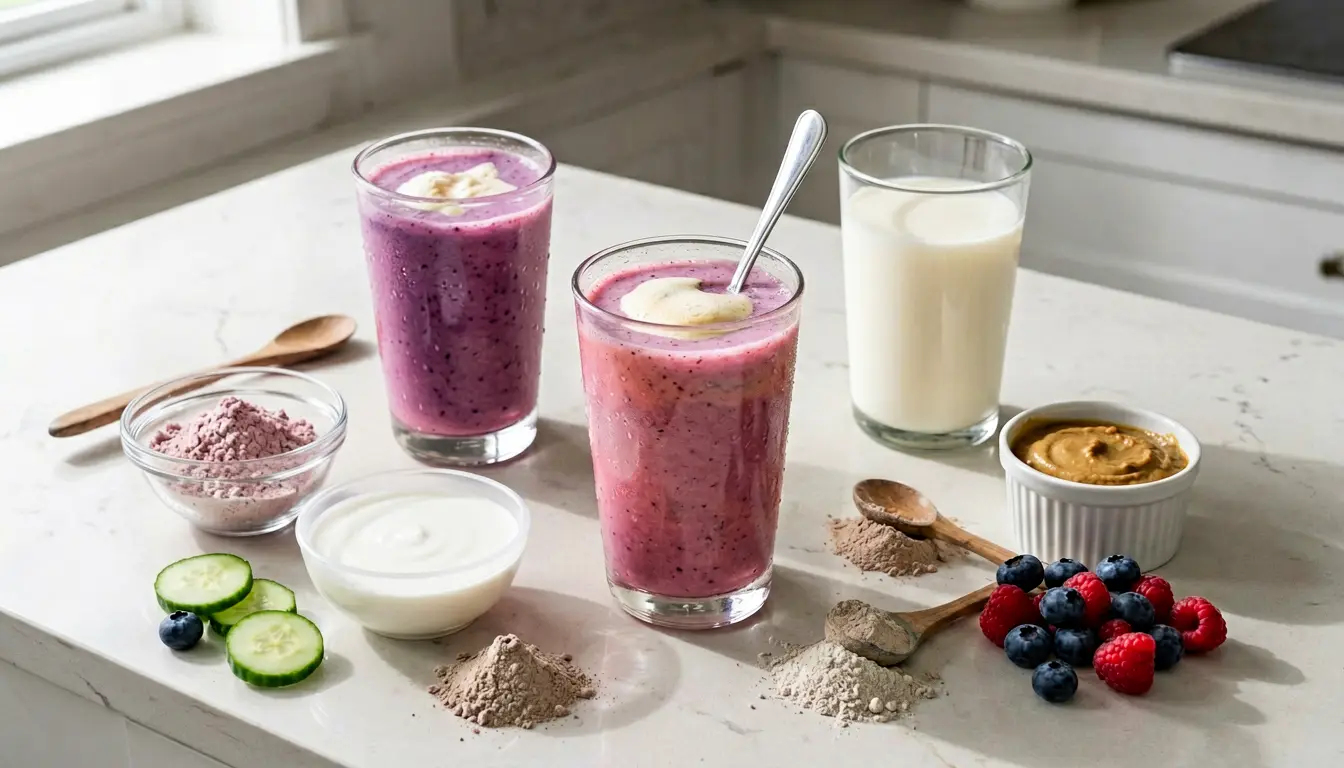
If the downside is that your smoothies never feel filling, compare protein powders for smoothies before adding random scoops or extra sweeteners.
If you are thinking about a paid smoothie routine to solve these problems, read the Smoothie Diet review before assuming a fixed plan will fit better than improving your own recipes.
Oversized Portions
Another disadvantage is portion drift. A handful of this and a scoop of that can turn one smoothie into a very large drink. That is not automatically wrong, but it should match the role of the smoothie.
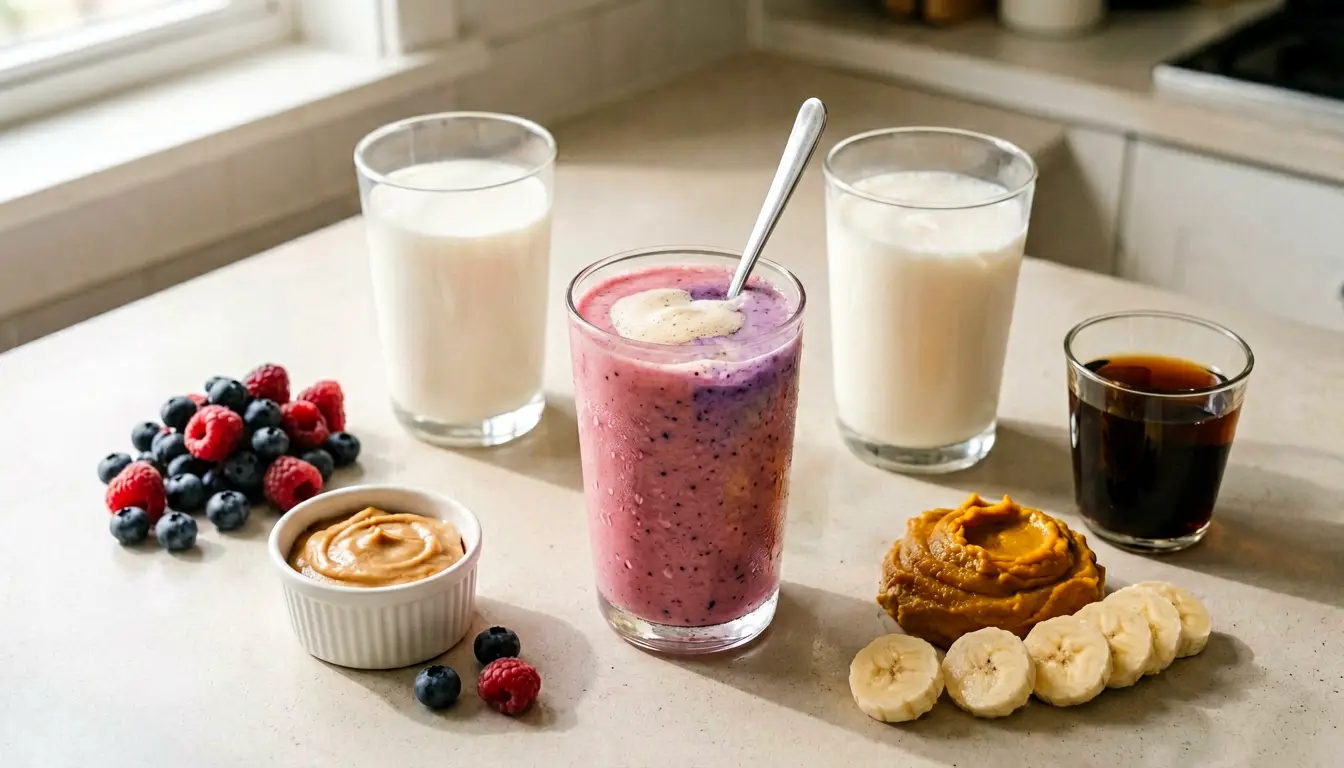
A big peanut butter oat smoothie makes more sense as breakfast than as a drink next to a full meal. A small fruit smoothie makes more sense as a snack. If portion is the issue, how much smoothie you can drink in a day gives a more practical framework.
Less Chewing And Satisfaction
Drinking food can feel different from eating food. Some people feel satisfied after a smoothie, especially when it has enough protein, fiber, and fat. Others feel like something is missing because there is little chewing and the drink goes down quickly.
That is why pairing a smaller smoothie with toast, eggs, yogurt, nuts, or oatmeal can work better than forcing the smoothie to do everything by itself. It keeps the convenience without making the drink oversized.
Texture And Storage Problems
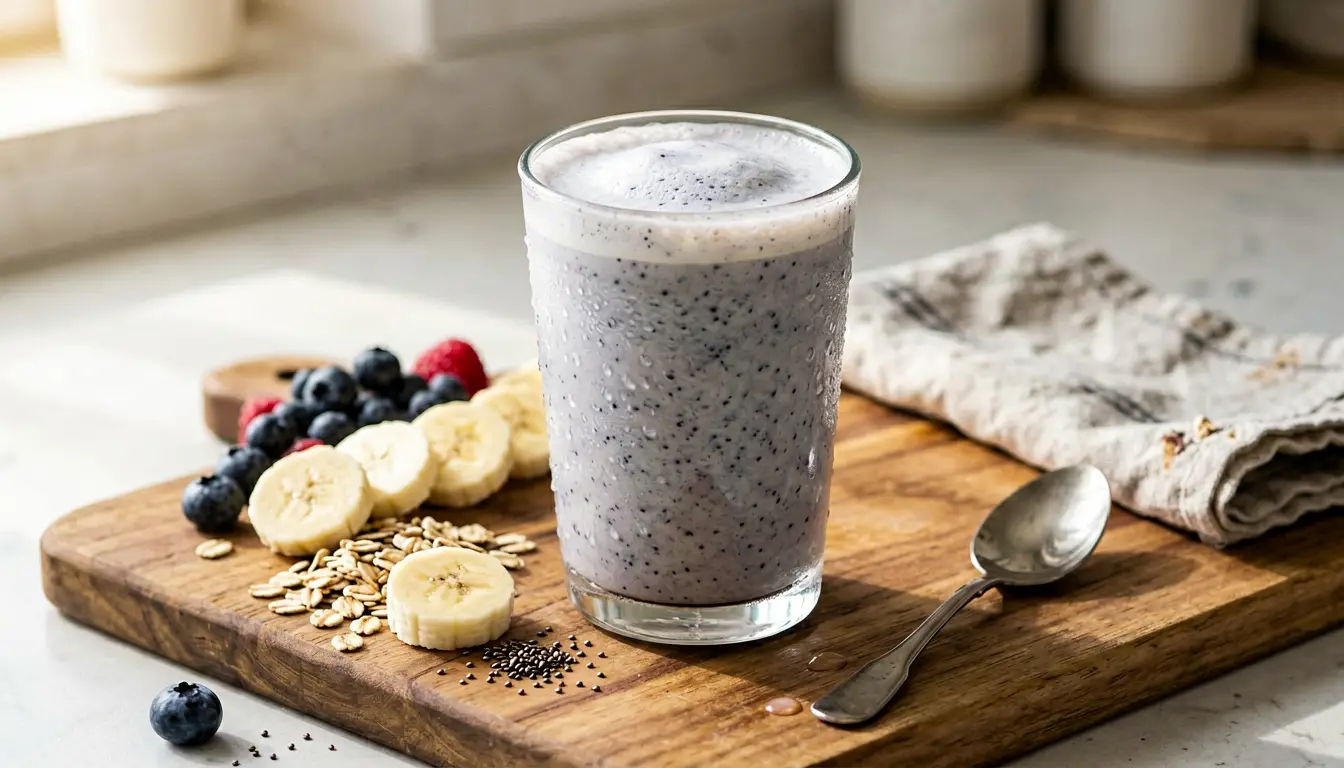
Smoothies can also become thin, foamy, separated, or dull after sitting. Fresh fruit blends loosen quickly. Ice-heavy blends can water down. Green smoothies can taste stronger after they rest.
Freshly blended smoothies usually taste best. If you need to prep ahead, freezer packs often work better than storing finished drinks. For storage-specific help, how to store smoothies and whether smoothies keep overnight are useful follow-ups.
How to Reduce the Downsides
Start by naming the smoothie role. Is it a snack, breakfast, hydration drink, or meal replacement? Then build for that role instead of trying to make one smoothie do everything.
Use less sweet liquid, keep the fruit mix simple, and add one texture-support ingredient when the smoothie needs staying power. If the smoothie feels too heavy, pull back on nut butter, oats, sweetened yogurt, and large portions. If it feels too light, add yogurt, milk, seeds, oats, or another ingredient with body.
Frequently Asked Questions
What is the biggest disadvantage of smoothies?
For many people, the biggest disadvantage is how easy smoothies are to make too sweet, too large, or not filling enough.
Can smoothies be less satisfying than regular food?
Yes. Some people find drinking a meal less satisfying than eating one, especially when the smoothie is thin or very fast to drink.
Why do smoothies sometimes feel too heavy?
They can get overloaded with rich ingredients, sweetened liquids, nut butters, oats, seeds, and large portions.
Are smoothie downsides usually fixable?
Often yes. Better balance, a clearer purpose, and a more realistic portion solve many smoothie problems.
Should I stop drinking smoothies if one recipe is not working?
Not necessarily. It is often smarter to fix the recipe before giving up on the format.
Can a smoothie be both convenient and balanced?
Yes. That is usually the goal of a good smoothie routine: fast enough to repeat, but built with enough structure to match its role.
If you want to keep evaluating the format honestly, continue with the pros and cons of smoothies and smoothie side effects. If your concern is fullness, sugar, or calories, whether smoothies can contribute to weight gain and whether smoothies are good for you give you the cleaner next steps.