
As an affiliate, we may earn a commission from qualifying purchases. We get commissions for purchases made through links on this website from Amazon and other third parties.
Smoothies can be practical when breastfeeding because they are quick, drinkable, and easy to prep around a busy day. The best smoothie here is usually simple and comfortable, not one built around dramatic promises.
This is general food guidance, not medical advice. If you have allergy concerns, supply concerns, a prescribed diet, or a medical condition that affects what you eat, use your clinician's guidance first.
Quick Answer
Smoothies can fit during breastfeeding when they are built from familiar ingredients, kept realistic in size, and used as one option inside a broader eating routine. They are often most useful when cooking a full meal is not practical or when you want something fast beside another simple food.
The main point is not to make a "special" breastfeeding smoothie. The point is to build a smoothie that feels satisfying, easy to repeat, and gentle enough for your routine.
What Matters Most
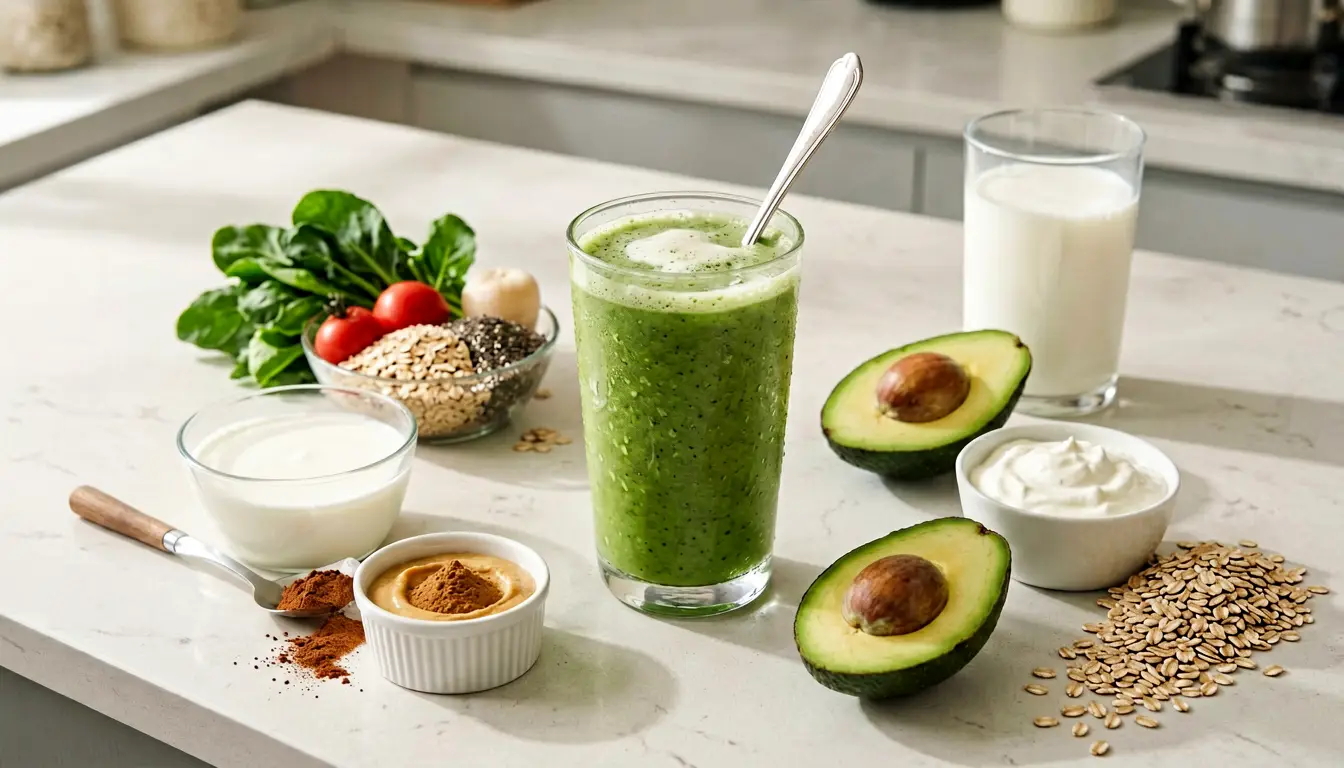
The most useful breastfeeding smoothie is one you can actually make. Fruit, milk or plant milk, yogurt, oats, nut butter, avocado, and seeds can all work, but the ingredient list does not need to be long. A short, familiar blend is usually easier to repeat than a complicated one.
Balance matters more than novelty. If the smoothie is mostly fruit and liquid, it may be better as a snack. If it needs to work more like breakfast, it usually needs more body from yogurt, oats, nut butter, cottage cheese, avocado, or another filling ingredient. For the broader question, whether smoothies can replace meals is the better companion page.
For choosing a gentle creamy base, the best yogurt for smoothies can help you compare texture, tang, and sweetness without making the recipe complicated.
Keep Claims Realistic
Be careful with recipes that promise supply changes, fast recovery, or guaranteed results. Food can be part of a supportive routine, but one smoothie cannot promise a specific breastfeeding outcome.
That does not mean smoothies are useless. It means they should be treated like practical food. If you want the wider pros and tradeoffs of the format, the pros and cons of smoothies gives a more balanced view.
Good Smoothie Builds
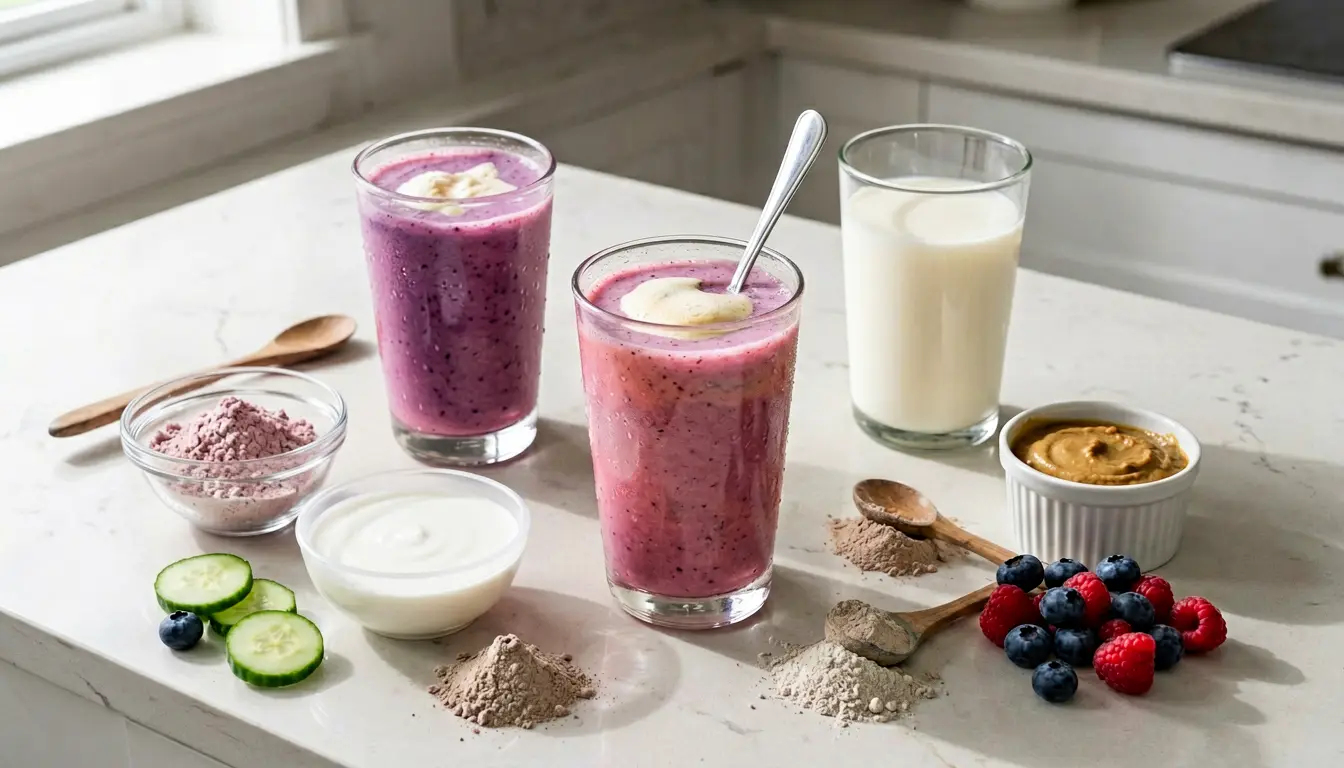
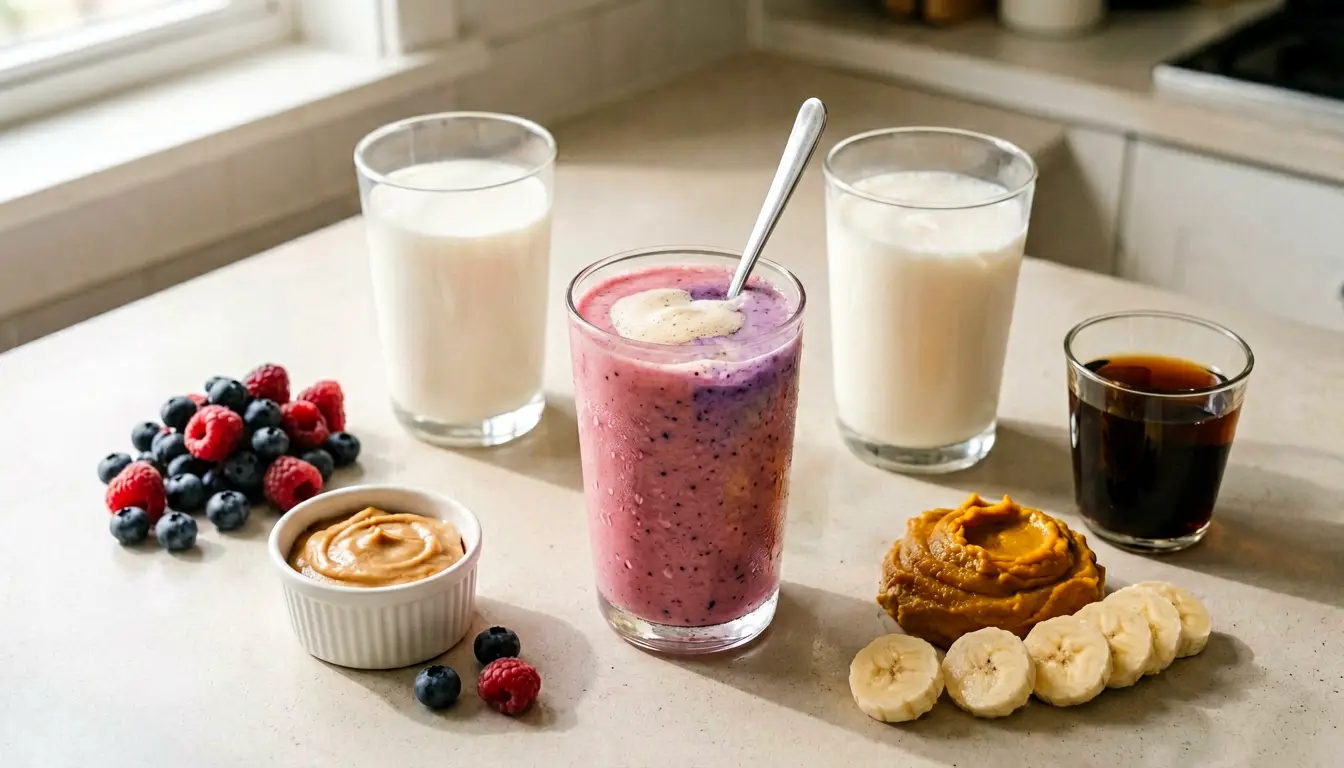
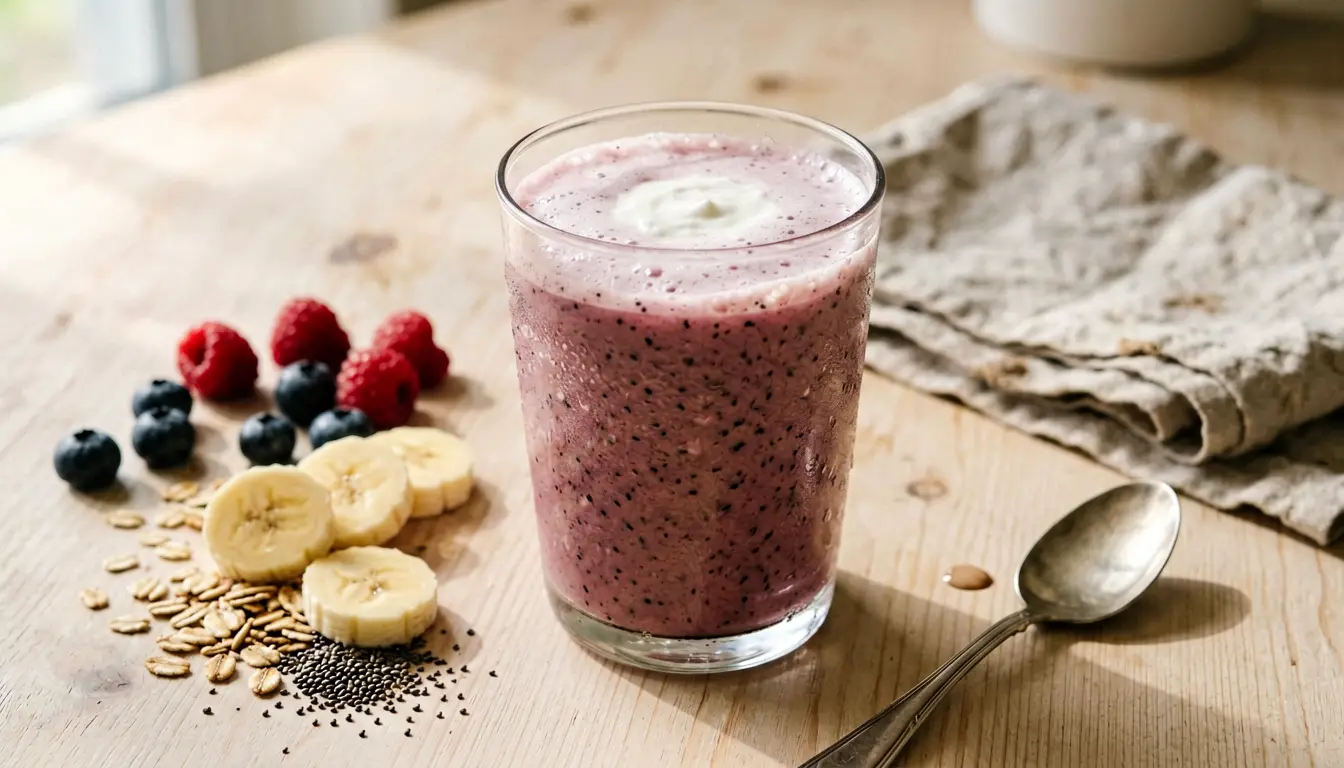
A banana oat smoothie works well when you want something soft and filling. A berry yogurt smoothie gives a brighter flavor while still having body. A mango avocado smoothie can feel creamy without being too sweet. A peanut butter smoothie is richer and may fit better when you want something more substantial.
If you want more recipe direction, peanut butter banana smoothies and cottage cheese smoothies are practical options. If you need a lighter option, fresh smoothies can help you keep the drink fruit-led.
If you are considering a paid smoothie plan while breastfeeding, check with your clinician first. The Smoothie Diet review can still help you see what the plan asks for before deciding whether that kind of structure fits this season.
When Smoothies Help Most
Smoothies are most useful when time is short, appetite is uneven, or a portable option is easier than sitting down for a full meal. They can also help when you have ingredients ready but not much energy for cooking.
Prep matters here. Freezer packs, measured oats, and a reliable cup can make smoothies easier to keep up with. If you want a prep-first routine, making smoothies ahead of time is a better guide than trying to build every drink from scratch.
When to Be More Careful
Be more careful with very large smoothies, lots of sweet liquid, or ingredient-heavy blends that stop feeling good after a few days. Bigger is not automatically better. If the smoothie crowds out regular meals or leaves you hungry, the recipe or timing may need to change.
Some people also need to be more selective about ingredients. If a baby seems sensitive to something in your diet, or if you have been told to avoid an ingredient, follow professional advice instead of relying on a smoothie recipe. For portion questions, how many smoothies you can drink in a day gives a general framework.
How to Make the Routine Easier
Keep two or three default blends instead of trying a new recipe every day. One fruit-led smoothie, one fuller breakfast smoothie, and one richer snack smoothie are usually enough variety.
Pairing can help too. A smaller smoothie with toast, eggs, yogurt, nuts, or oatmeal may feel more realistic than forcing the smoothie to do everything. If you are deciding when it fits best, the best time to drink smoothies can help you match the drink to the moment.
Frequently Asked Questions
Are smoothies practical when breastfeeding?
Yes. They can be practical because they are quick, portable, and easy to adjust around appetite and time.
Should breastfeeding smoothies be simple or packed with extras?
Simple usually works better. A shorter ingredient list is easier to repeat and easier to adjust if something does not feel right.
Can smoothies work as breakfast during breastfeeding?
Yes, especially when they include enough body from ingredients like yogurt, oats, nut butter, avocado, cottage cheese, or milk.
Do breastfeeding smoothies need dairy?
No. They can be made with dairy or non-dairy options depending on what suits you and your household.
Can smoothies improve milk supply?
Do not rely on smoothies for a guaranteed supply change. If supply is a concern, talk with a clinician or lactation professional.
Should I rely only on smoothies?
No. Smoothies are usually best as one practical option inside a broader eating routine, not the whole routine.
For connected routine pages, use whether smoothies can replace meals, the pros and cons of smoothies, how many smoothies fit in a day, and making smoothies ahead of time.