
As an affiliate, we may earn a commission from qualifying purchases. We get commissions for purchases made through links on this website from Amazon and other third parties.
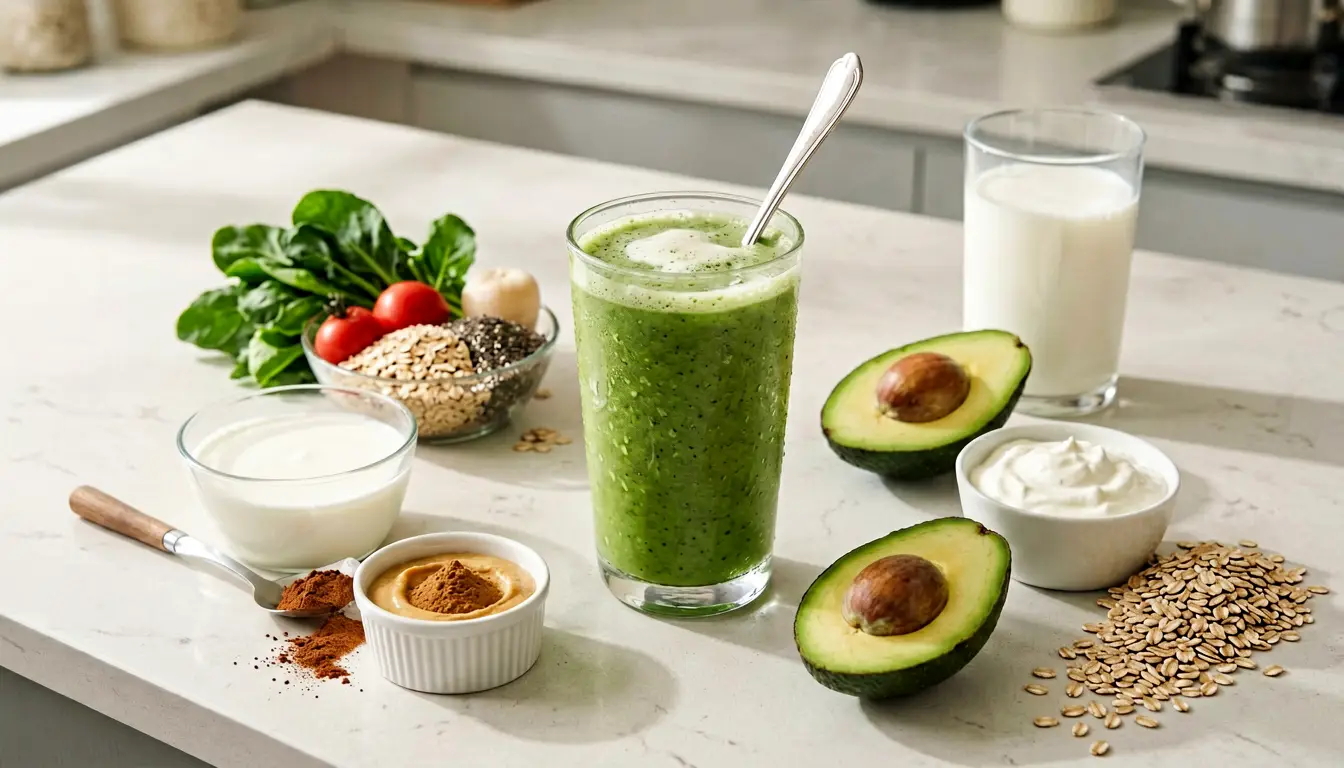
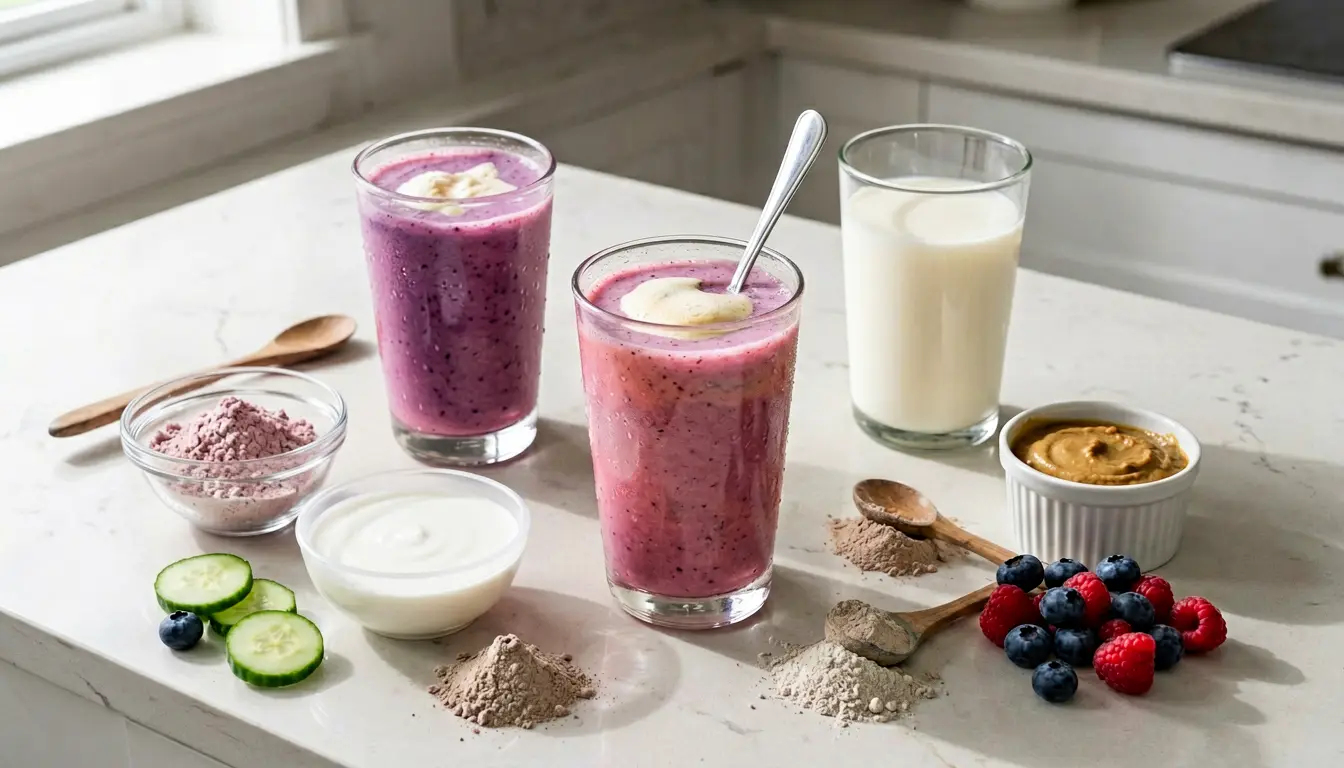
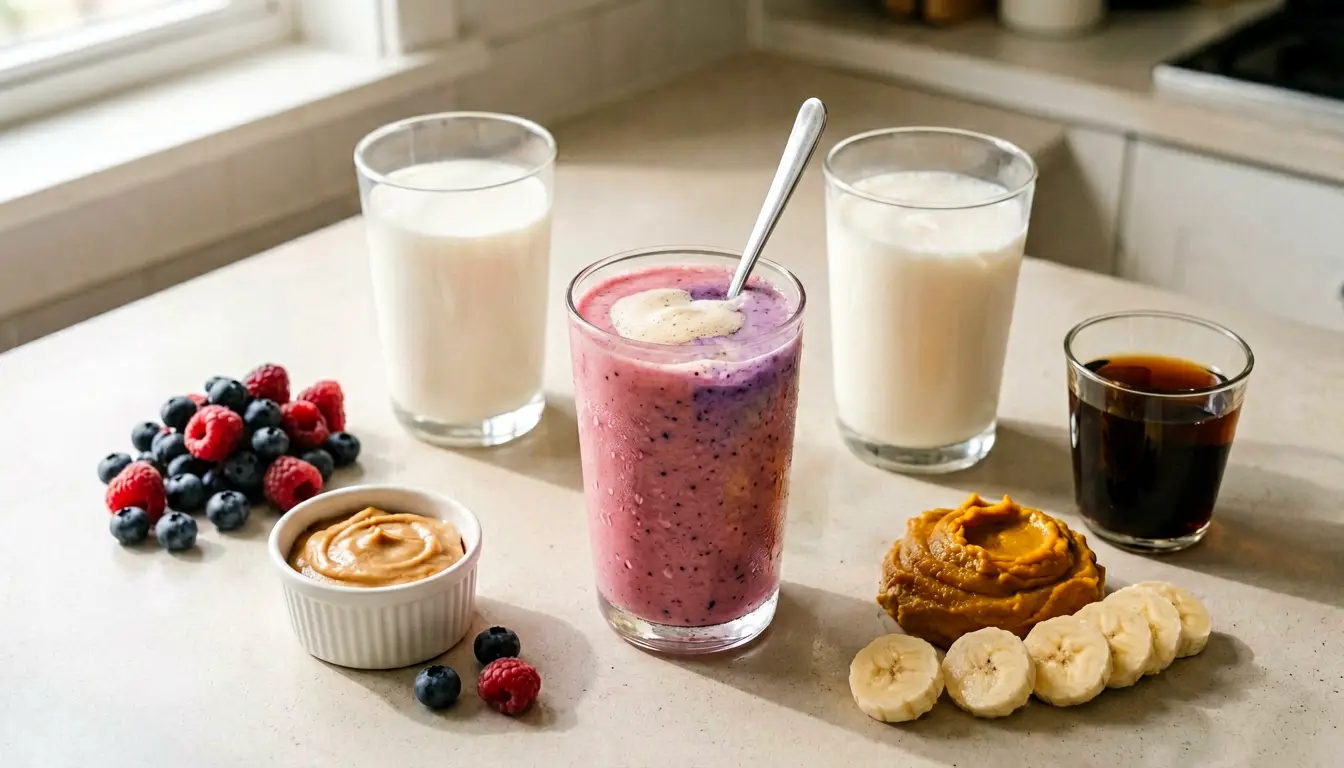
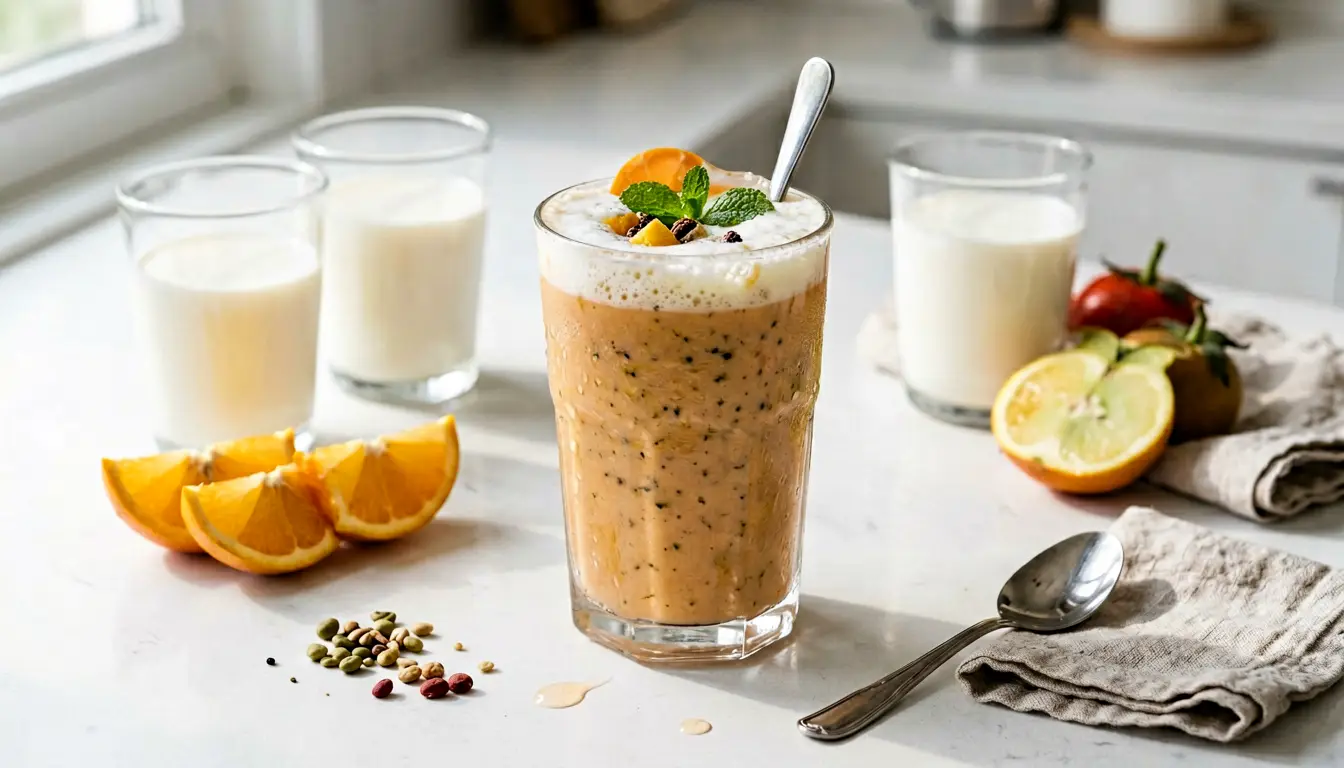
Smoothies are usually made of fruit, a liquid base, and one or two ingredients that change the texture. That might be yogurt, banana, oats, nut butter, avocado, seeds, protein powder, or greens. The exact mix changes, but the core pattern stays pretty consistent.
That is why smoothies can feel simple and wide open at the same time. Most of them start with the same few building blocks, then shift depending on whether you want something lighter, creamier, thicker, or more filling. If you want the broader process behind that mix, how smoothies are made covers the blend order and what smoothies consist of breaks down what each part does.
Quick Answer
Smoothies are usually made of fruit, liquid, and optional texture boosters. Common liquids include milk, plant milk, water, coconut water, or juice. Common add-ins include yogurt, banana, oats, nut butter, seeds, avocado, greens, and protein powder.
Most smoothies do not need a huge ingredient list. They usually work best when a few ingredients each have a clear job.
What It Is / When to Use It
The usual smoothie starts with fruit because fruit does a lot at once. It gives sweetness, flavor, color, and body. Banana, berries, mango, pineapple, peach, and apple all show up often because they blend easily and pair well with other ingredients.
The liquid is there to get the blender moving. Milk and yogurt-based smoothies taste creamier. Water and coconut water make the drink feel lighter. Juice can brighten fruit flavor fast, but it can also push the smoothie sweeter than you meant. If you are still deciding which base fits your routine, which is better for smoothies milk or water can help.
After that come the supporting ingredients. Greens make the smoothie more vegetable-forward. Oats and nut butter make it feel more substantial. Yogurt and cottage cheese add creaminess and protein. Seeds can thicken the blend, but too many can turn the texture gritty if the blender is weak.
Substitutes / Swaps
If you do not want dairy, smoothies can still work well with plant milk, coconut water, or plain water. If you do not want banana, you can use mango, avocado, yogurt, or oats for body instead. If you do not want a very sweet smoothie, pull back on juice and use milk or water instead.
You can also think in categories instead of exact ingredients. A smoothie usually needs one main fruit, one liquid, and one texture helper. Once you understand that pattern, swapping gets easier because you are replacing a function, not just copying a list.
That is also why must-have smoothie ingredients are not really about one perfect shopping list. They are about having a few reliable fruits, liquids, and thickeners on hand so you can build different smoothies without starting over every time.
Prep Tips
The easiest way to avoid muddy smoothies is to stop overloading them. One or two fruits, one liquid, and one or two support ingredients is usually enough. More than that can flatten the flavor and make it harder to control the texture.
Try to match the liquid to the kind of smoothie you want. Use water or coconut water when you want something refreshing. Use milk or yogurt when you want something creamier. Use nut butter, oats, or avocado when the smoothie needs more staying power. If thickness is the main problem, what makes smoothies thicker and what to do if smoothie is too watery are worth reading next.
Frozen fruit is another reliable tool. It chills the drink and adds body at the same time, which is why so many smoothies rely on it instead of a lot of ice.
Storage / Reheat / Freeze
Smoothie ingredients store better than finished smoothies. Frozen fruit, portioned greens, and dry add-ins are easy to keep ready for later. That is the most useful kind of smoothie storage because it protects both flavor and texture.
Once blended, smoothies can be chilled for later, but they often separate or lose some thickness as they sit. A quick shake or reblend usually fixes that. If you want the prep version instead of the emergency version, how to smoothie prep and how far in advance can you make a smoothie go deeper.
Frequently Asked Questions
What is the most common base for a smoothie?
Fruit is the most common base, usually blended with milk, plant milk, water, coconut water, or juice.
Do all smoothies have yogurt?
No. Many smoothies use yogurt, but plenty rely on banana, frozen fruit, oats, avocado, or nut butter instead.
Are vegetables common in smoothies?
Yes. Spinach, kale, and other mild greens are common when people want a more vegetable-forward smoothie.
Why do so many smoothies use banana?
Banana adds sweetness and creaminess and helps make a smoothie feel thicker without much extra work.
Can a smoothie be just fruit and water?
Yes. It may be lighter and less creamy, but fruit and water can still make a good smoothie if the fruit balance is right.
For the next layer, read what do smoothies consist of, do smoothies have milk, what makes smoothies creamy, and what is the best thing to put in smoothies.