
As an affiliate, we may earn a commission from qualifying purchases. We get commissions for purchases made through links on this website from Amazon and other third parties.
Smoothies and juicing are not the same thing, so picking a universal winner does not help much. A smoothie keeps the blended ingredients together. Juice separates liquid from much of the pulp and creates a lighter drink.
The better choice depends on what you want the drink to do. If you want something thicker and more food-like, smoothies usually make more sense. If you want something lighter and easier to sip, juicing may fit better.
Quick Answer
Smoothies are usually better when you want fullness, texture, and flexibility. Juicing is usually better when you want a lighter produce drink that feels less like food. Neither format is automatically better for every person or every day.
In everyday use, smoothies and juicing solve different problems. Choose the one that fits the role, not the one with the louder claim.
Key Differences
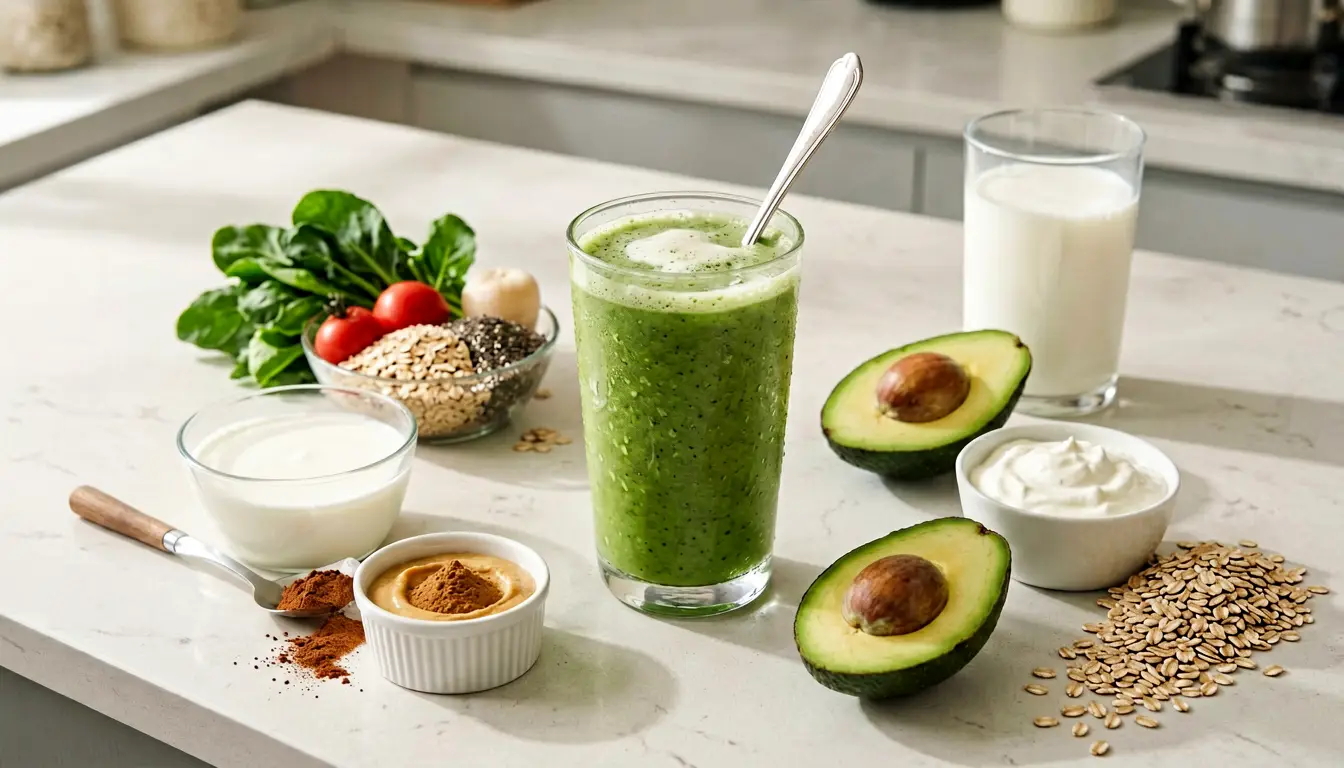
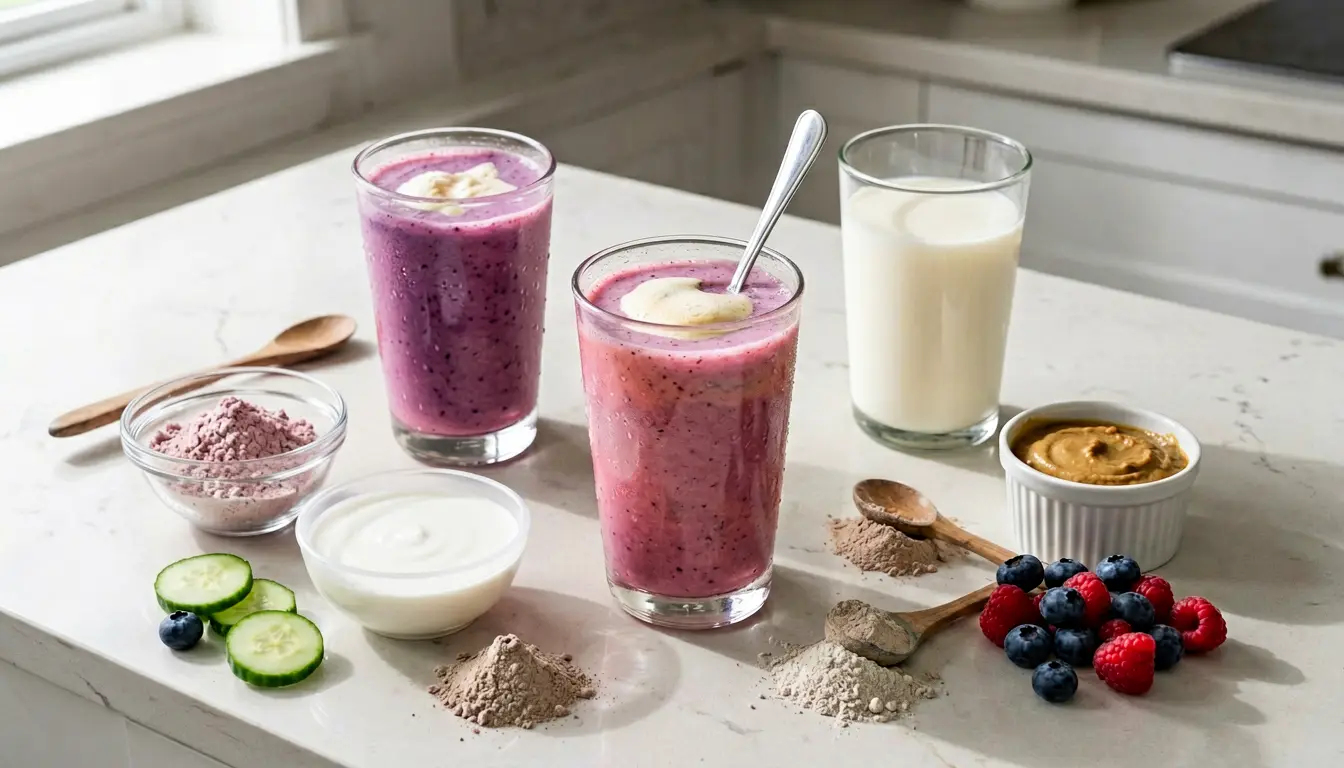
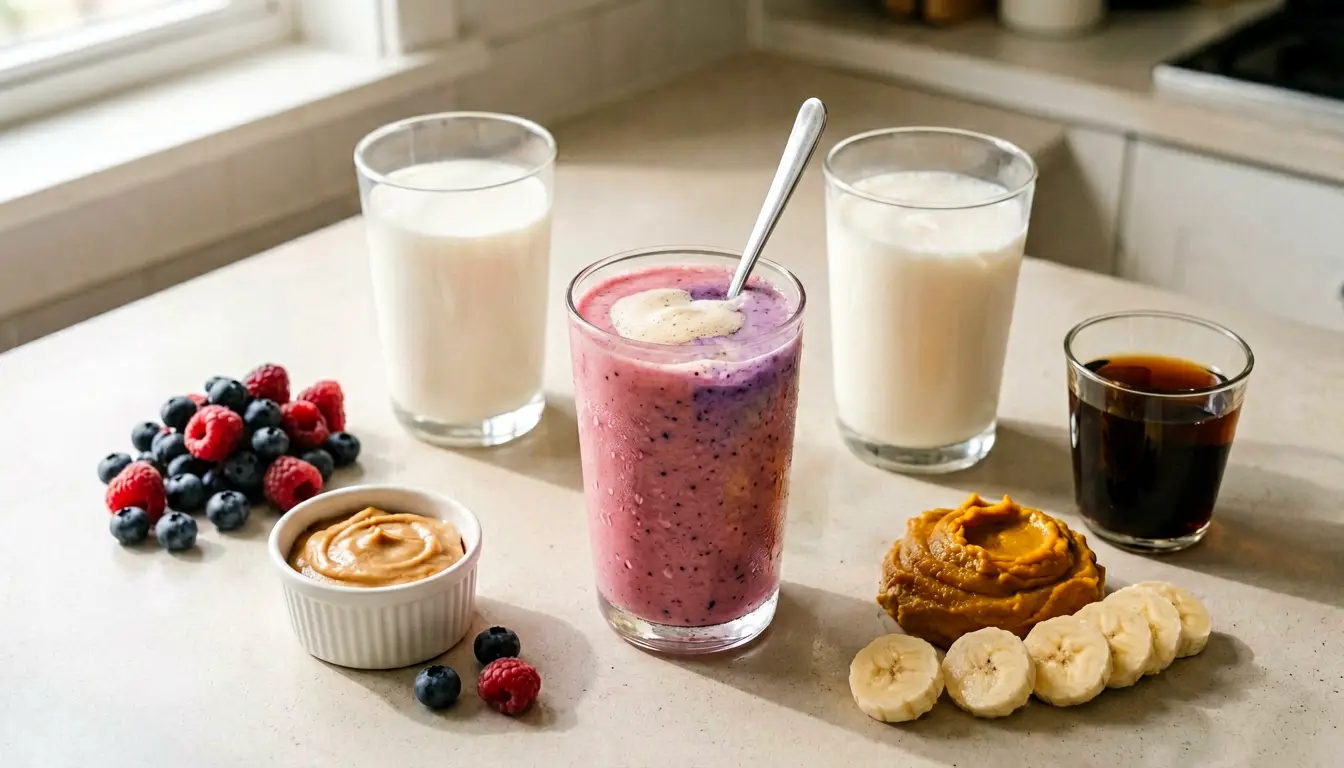
Smoothies use a blender, so the whole blend stays together. That makes them thicker and easier to build into breakfast or a snack. They can handle yogurt, oats, nut butter, seeds, protein powder, and frozen fruit.
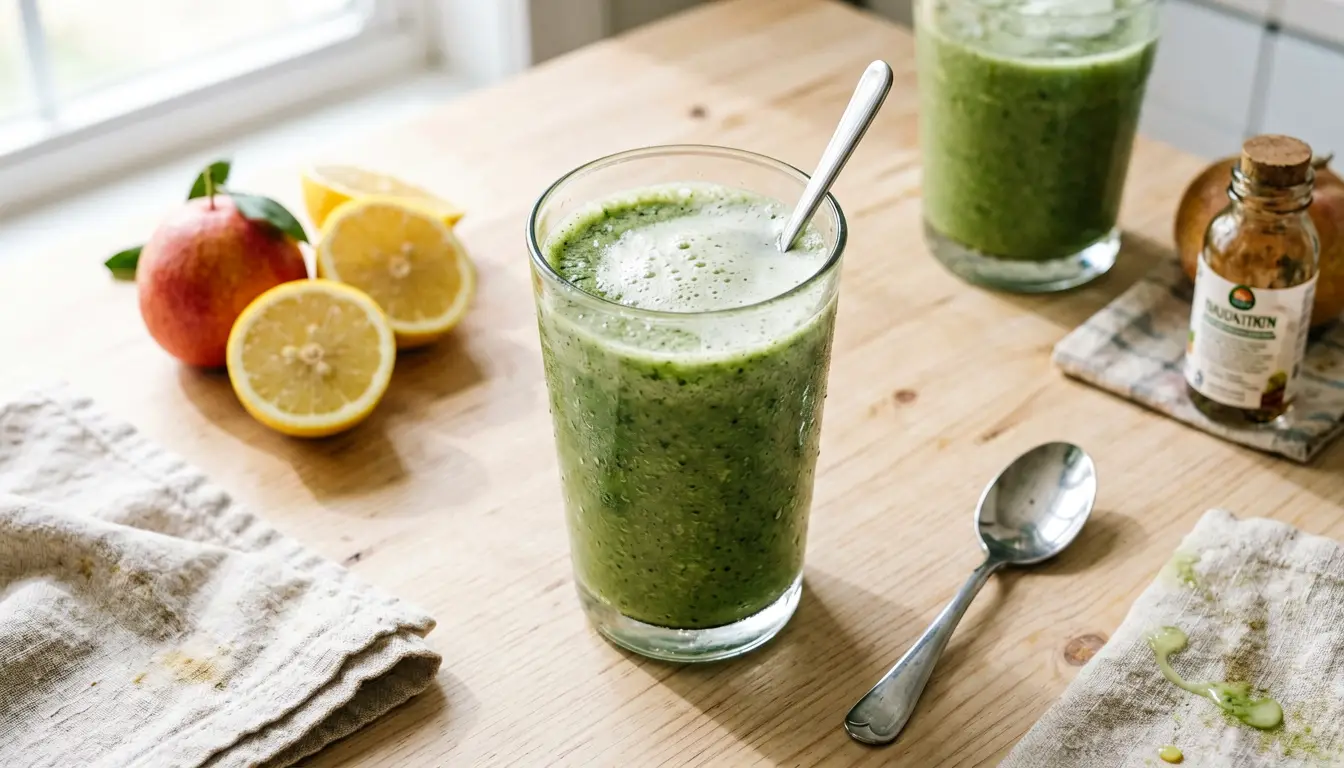
Juicing uses a juicer, so the result is usually thinner and more drink-like. It can be refreshing, but it is not built like a meal-style smoothie. If you want the smoothie side first, the purpose of smoothies explains why people use them in daily routines.
Best For
Smoothies are best when you want a flexible drink that can become breakfast, a snack, or a portable meal-style option. They are also easier to customize because the format can handle creamy, frozen, and thicker ingredients.
Juicing is best when you want a lighter produce drink and do not want a thick texture. It can fit beside food more naturally because it usually feels less filling than a smoothie. If you are deciding whether a smoothie can stand in for food, whether smoothies can replace meals is the better next read.
When to Choose Smoothies
Choose smoothies when you want more body, a colder thick texture, or a drink that can hold you longer. Smoothies also work better when you like add-ins such as yogurt, oats, avocado, cottage cheese, nut butter, or frozen banana.
They are also easier for beginners because a blender is familiar and forgiving. If the drink is too thick, add liquid. If it is too thin, add frozen fruit or a creamy ingredient. For the broader pros and tradeoffs, the pros and cons of smoothies gives a practical overview.
When to Choose Juicing
Choose juicing when you want a lighter drink and do not want the thickness of blended fruit. Juicing can also feel easier to sip beside a meal because it is usually less bulky.
The tradeoff is that juicing is less flexible as a meal-style format. It usually does not handle oats, yogurt, nut butter, or frozen fruit the way smoothies do. If your goal is a drink that carries more texture and staying power, smoothies are usually the easier route.
Common Mistakes
The biggest mistake is treating smoothies and juicing as interchangeable. They are different formats with different textures, tools, and routine roles.
Another mistake is assuming lighter always means better or thicker always means worse. A lighter drink can be right for one moment. A fuller smoothie can be right for another. If you are weighing the smoothie side honestly, whether smoothies are good for you and whether smoothies can contribute to weight gain add useful context.
Frequently Asked Questions
Are smoothies more filling than juicing?
Usually yes. Smoothies often feel more substantial because the blended ingredients stay in the drink.
Is juicing lighter than smoothies?
Usually yes. Juicing tends to create a thinner, more beverage-like result.
Which is easier for breakfast?
Smoothies often fit breakfast better because they can be built with more body and texture.
Is one always better than the other?
No. The better option depends on what role you want the drink to play.
Which one is easier to customize?
Smoothies are often easier to customize because the format handles many add-ins and texture changes.
Which is more portable?
Both can travel, but smoothies often act more like a meal or snack once you take them with you.
If you want the smoothie side of the comparison next, continue with the purpose of smoothies for the main role, whether smoothies can replace meals for meal use, why people drink smoothies for routine fit, and whether smoothies are good for you for the broader tradeoff.