
As an affiliate, we may earn a commission from qualifying purchases. We get commissions for purchases made through links on this website from Amazon and other third parties.
Smoothies for skin work best when they help you eat more colorful fruits, vegetables, healthy fats, protein, and fluids. They can support an overall skin-friendly diet, but they are not a cure for acne, eczema, rosacea, premature aging, or any persistent skin condition.
If you have painful acne, sudden rashes, skin infections, severe dryness, or a condition that keeps returning, see a dermatologist. A smoothie can be a useful daily habit, but it should sit beside sleep, hydration, sun protection, medication when needed, and a balanced diet. For daily timing, see are smoothies in the morning healthy.
Quick Answer
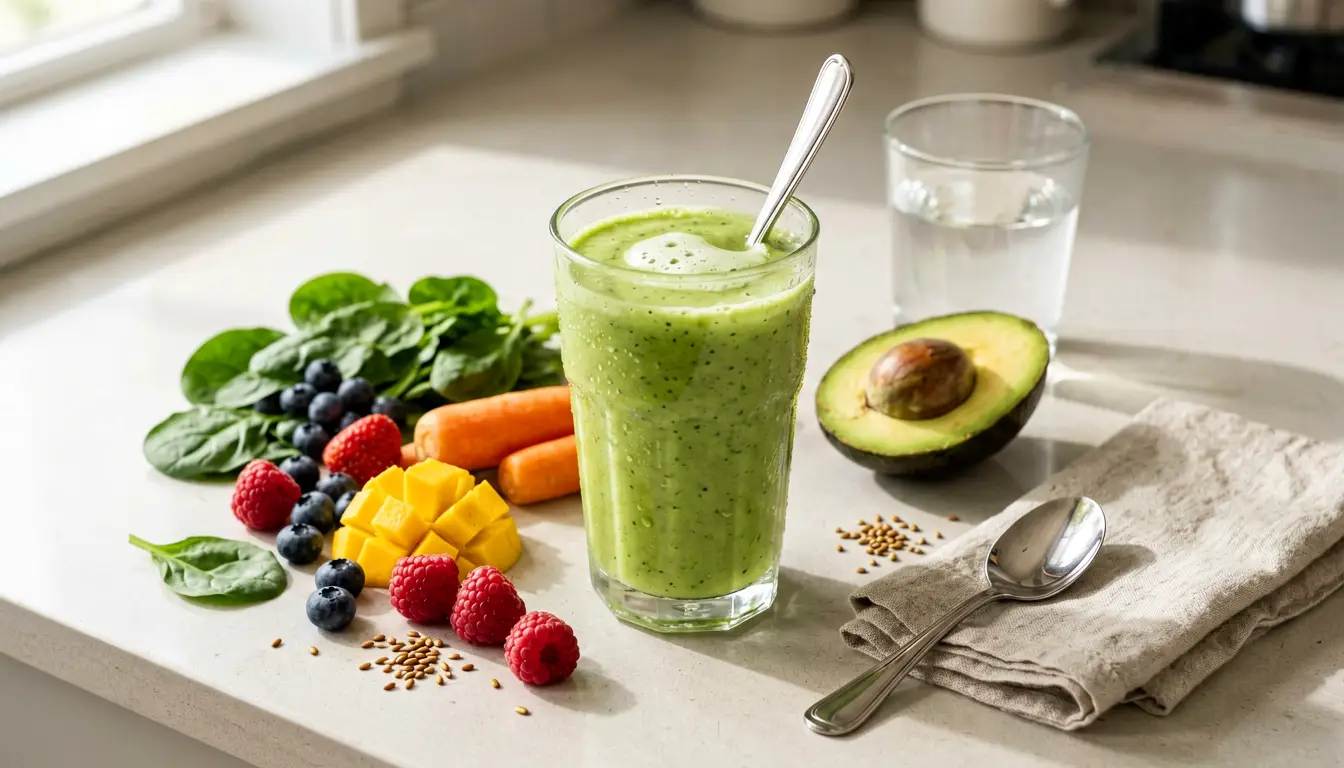
The best smoothies for skin include vitamin C-rich fruit, carotenoid-rich orange and red produce, leafy greens, omega-3 or monounsaturated fat sources, and enough protein to make the drink satisfying. A good base is berries, mango or papaya, carrot, spinach, avocado, ground flax, plain yogurt or almond milk, and water.
Keep added sugar low and avoid treating a smoothie as a skin fix. It is better to drink a balanced skin-supporting smoothie consistently than to overload one blend with every trendy add-in.
At a Glance
- Best color cues: orange, red, yellow, purple, and deep green produce.
- Best vitamin C fruits: strawberries, kiwi, orange, mango, papaya, and pineapple.
- Best carotenoid foods: carrot, mango, papaya, spinach, kale, and pumpkin.
- Best fats: avocado, flaxseed, chia, hemp seeds, walnuts, almond butter, or a small amount of olive-oil-style fat from whole foods.
- Best protein: plain Greek yogurt, kefir, tofu, protein powder, or soy milk.
- Best limit: added sugar, syrup, sweetened yogurt, juice bases, and extreme supplement stacks.
- Best expectation: skin changes from diet are gradual and vary from person to person.
If sugar is a concern, use low-sugar smoothie ingredients to keep the blend colorful without turning it into dessert.
If you want to turn skin-supporting smoothies into a daily routine, compare the flexible homemade path with The Smoothie Diet vs homemade smoothies. Skin-focused blends still need variety, protein, and balanced meals around them.
Why This Recipe Works
Skin is affected by genetics, hormones, sun exposure, skincare habits, sleep, stress, medical conditions, and diet. A smoothie can only control the diet piece, but it can make that piece easier by packing produce and fluids into a quick breakfast or snack.
Carotenoid-rich produce gives orange, red, and yellow foods their color. Regular intake of these foods can affect skin tone subtly over time because carotenoids can accumulate in the skin. Vitamin C-rich fruit supports normal collagen formation and adds brightness to the flavor. Leafy greens bring folate, vitamin K, magnesium, and plant pigments.
Healthy fats matter because some skin-supporting nutrients are fat-soluble. Avocado, seeds, nuts, and yogurt also make the smoothie creamier and more filling. Protein helps the smoothie feel like food and supports normal tissue maintenance.
For a blood-sugar-aware version, compare smoothies for blood sugar control before using large amounts of mango, pineapple, juice, or sweetened yogurt.
Ingredients
Use this as a base for one smoothie:
- 1/2 cup strawberries or mixed berries
- 1/2 cup mango, papaya, or peeled orange segments
- 1 small carrot, grated or thinly sliced
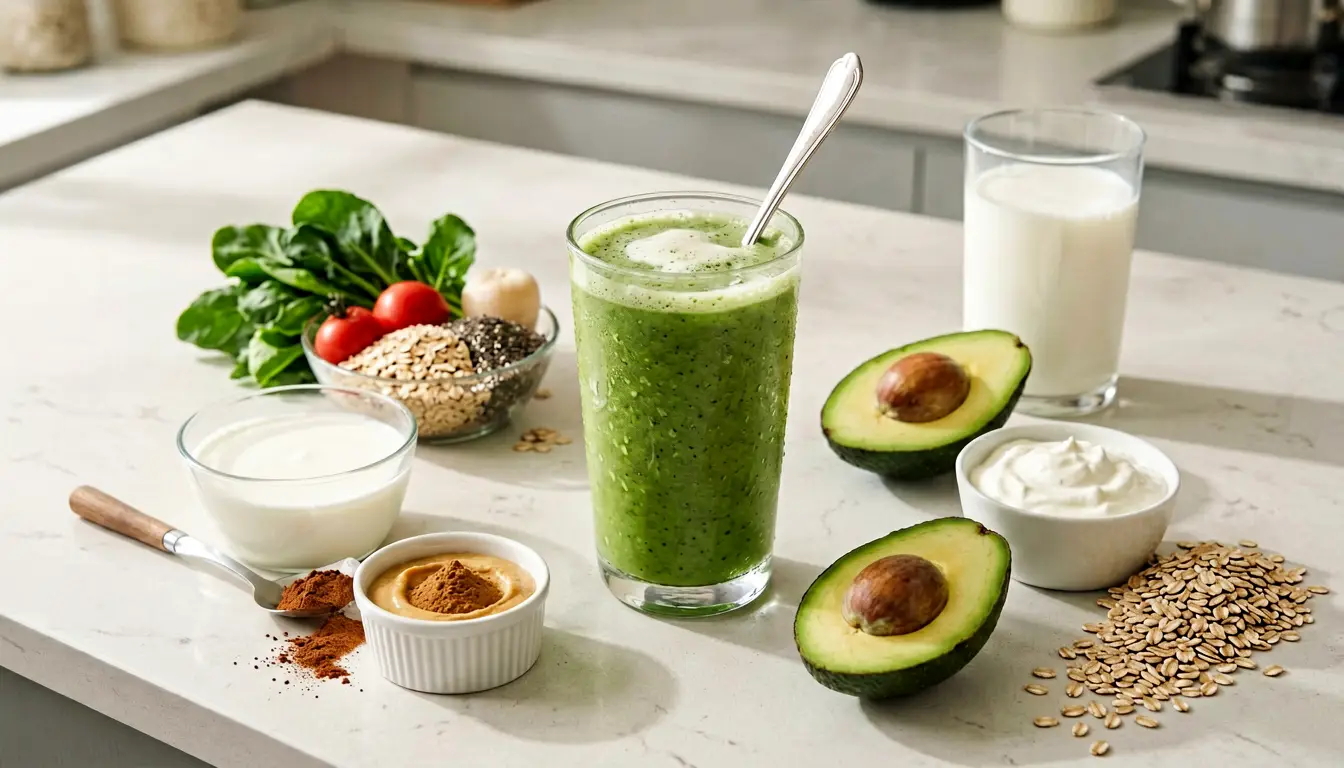
- 1 packed cup baby spinach
- 1/4 avocado or 1 tablespoon almond butter
- 1 tablespoon ground flaxseed, chia, or hemp seeds
- 1/2 cup plain Greek yogurt, kefir, tofu, or unsweetened soy yogurt
- 1/2 to 3/4 cup water, unsweetened almond milk, or unsweetened soy milk
- 1 teaspoon fresh ginger or lemon juice, optional
- Ice as needed
Choose whole fruit over juice when possible. If you use orange juice or carrot juice for flavor, keep it small and count it as part of the fruit portion. For dairy-free options, smoothies with almond milk and smoothies no yogurt give you easy swaps.
Equipment You Need
You need a blender, cutting board, knife, vegetable peeler, measuring cups, and measuring spoons. A high-speed blender helps with raw carrot and greens, but a standard blender can work if you grate the carrot first and add enough liquid.
If you want a smoother texture, freeze the mango or papaya and use baby spinach instead of mature kale. A fine grater is helpful for carrot if your blender struggles with hard produce.
Step-by-Step Method
- Add liquid first. Pour water, almond milk, soy milk, yogurt, kefir, or tofu into the blender.
- Add soft fruit. Add berries, mango, papaya, or orange.
- Add vegetables. Add grated carrot and baby spinach.
- Add fat and fiber. Add avocado, almond butter, flax, chia, or hemp.
- Add flavor. Use ginger, lemon juice, cinnamon, or vanilla instead of syrup.
- Blend until smooth. Run the blender for 60 seconds, longer if carrot pieces remain.
- Adjust texture. Add liquid for a thinner smoothie or ice for a colder one.
Taste before adding sweetener. Skin-focused smoothies are easiest to keep consistent when they taste bright and fresh, not overly sweet.
Time and Temperature Guide
This smoothie takes 10 minutes if your fruit is ready and 15 minutes if you are peeling, grating, and measuring from scratch. Serve it cold but not so icy that the flavor disappears.
For routine use, morning or mid-afternoon is easiest. Skin nutrition is not about a single ideal time; it is about repeating a balanced habit often enough to improve your overall diet quality.
If you are using the smoothie as breakfast, make it substantial enough with protein and fat. If you are using it as a snack, keep the serving smaller and pair it with water.
Best Variations
Carrot mango glow smoothie: Use carrot, mango, orange, spinach, Greek yogurt, flax, and water. This is the best classic color-focused version.
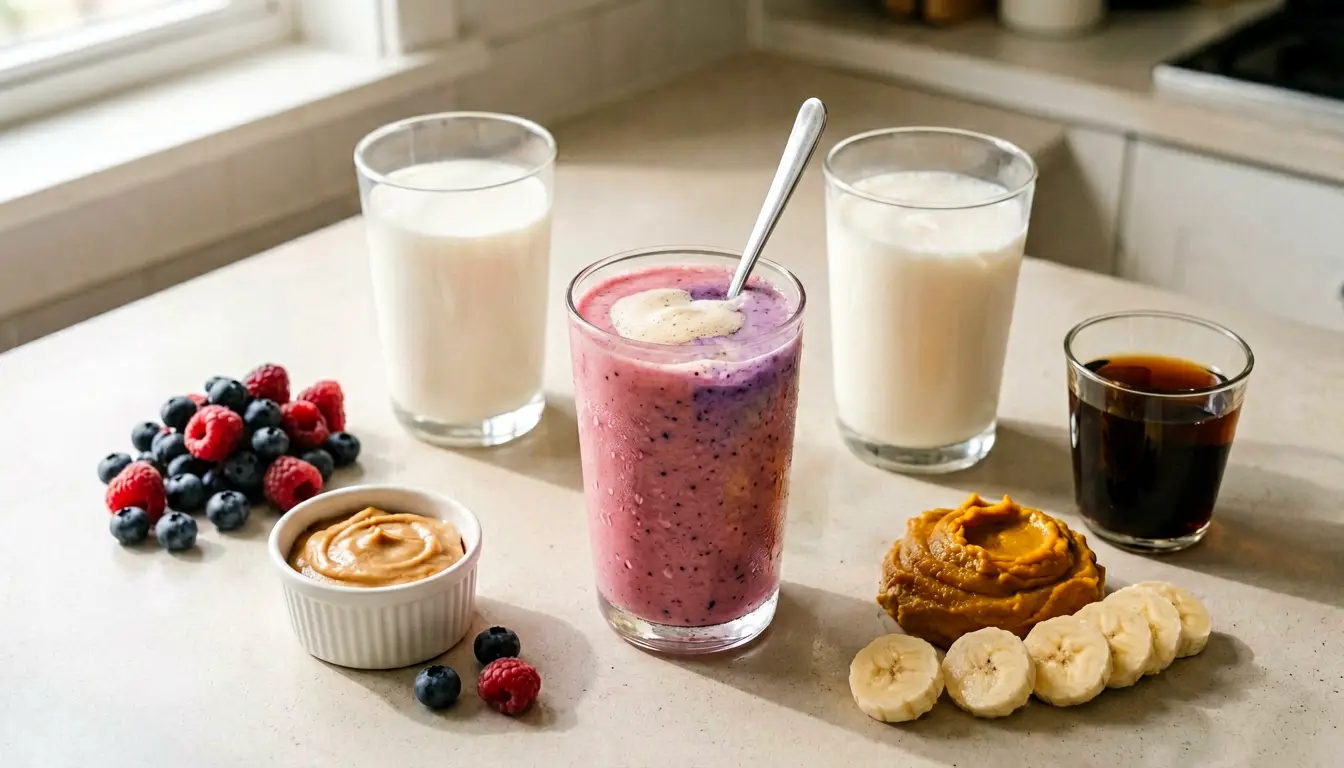
Berry avocado smoothie: Use berries, avocado, spinach, almond milk, chia, and plain yogurt or tofu. This version is creamy and lower in tropical fruit.
Papaya ginger smoothie: Use papaya, strawberry, ginger, spinach, kefir, and flax. It is bright, soft, and easy to drink.
Vegan skin smoothie: Use berries, mango, carrot, spinach, tofu or soy yogurt, almond milk, and hemp seeds. For more plant-based structure, see smoothies vegan.
Low-sugar skin smoothie: Use berries, spinach, cucumber, avocado, unsweetened almond milk, and protein. Keep mango or banana to a small accent.
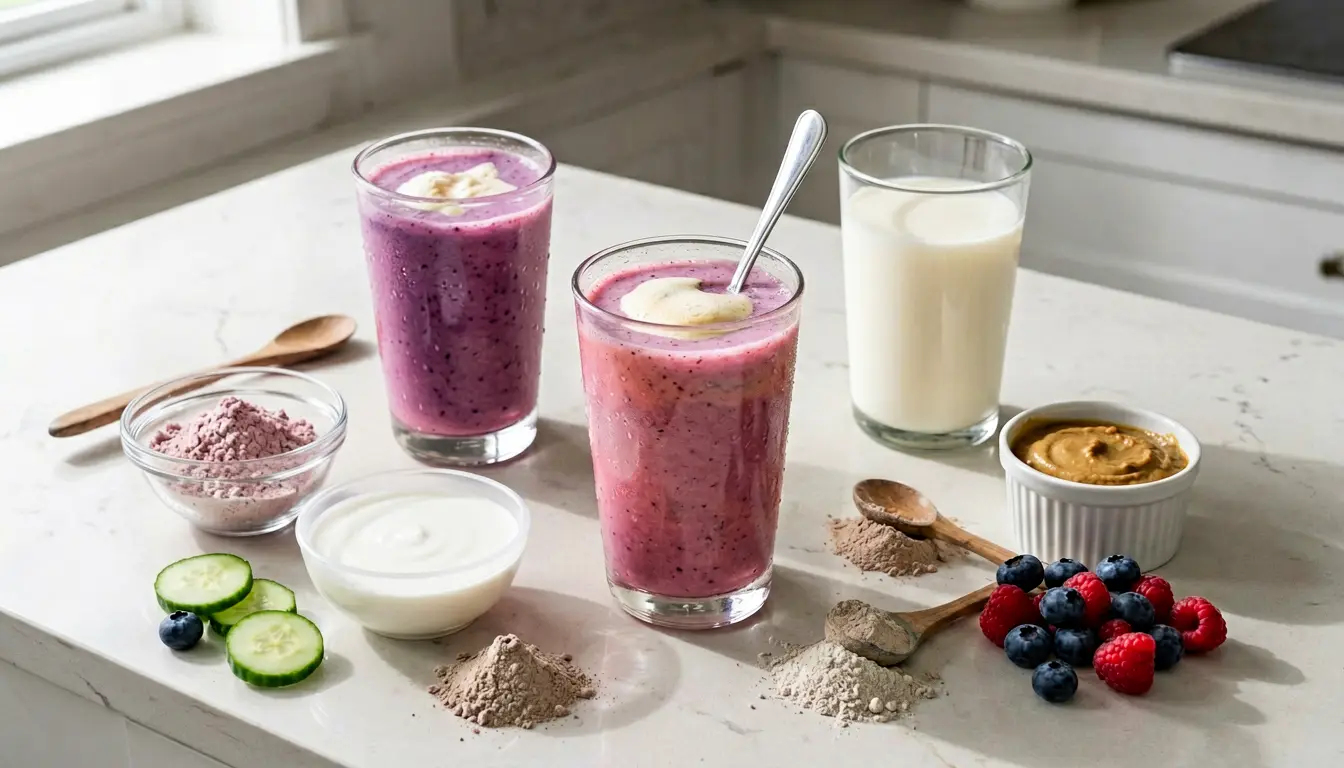
High-protein skin smoothie: Add plain Greek yogurt or a simple unsweetened protein powder. Keep the powder label simple, especially if you are also watching sodium, calories, or sweeteners.
Common Mistakes
The biggest mistake is expecting a smoothie to fix a medical skin condition. Diet can support skin health, but persistent acne, rash, inflammation, or irritation deserves proper evaluation.
Another mistake is using too much fruit juice. Juice can make the smoothie taste bright, but it removes much of the chewing and whole-food structure that makes fruit filling.
Do not add every supplement at once. Collagen, protein powder, greens powder, hyaluronic acid drinks, and beauty powders can overlap, cost a lot, and make it harder to know what actually agrees with you.
Do not forget protein and fat. A fruit-only skin smoothie may look beautiful but leave you hungry quickly. Protein, avocado, yogurt, tofu, nuts, or seeds make the drink more balanced.
What to Serve With It
Serve a skin smoothie with a simple meal that includes protein and whole foods. Eggs, oatmeal, yogurt, tofu scramble, whole-grain toast, beans, salmon, chicken, or a vegetable-heavy bowl can all fit depending on your diet.
For weight-loss goals, compare best fruit smoothies for weight loss so the smoothie is filling without becoming too large. If constipation is part of your skin or gut routine, smoothies for constipation can help you add fiber thoughtfully.
If blood pressure is also a priority, smoothies for high blood pressure is a better place to plan beet, berry, and low-sodium variations.
Storage and Reheating
Skin smoothies are best fresh because vitamin-rich produce tastes brighter right after blending. Prep ahead by freezing mango, papaya, berries, and spinach in portioned bags. Add avocado, yogurt, seeds, and liquid when blending.
You can refrigerate a blended smoothie in a sealed jar for up to 24 hours. It may darken slightly because of oxidation, especially if it contains banana, avocado, or greens. Shake or re-blend before drinking.
Do not reheat smoothies. If it is too thick after chilling, add water or unsweetened milk and shake.
Frequently Asked Questions
What matters most before making smoothies for skin?
Focus on colorful produce, protein, healthy fat, and low added sugar. A smoothie should improve the quality of your overall diet, not act like a skincare treatment.
Can smoothies really improve skin?
They can support skin health by helping you eat more fruit, vegetables, fluids, and key nutrients. They cannot guarantee clear skin or replace dermatology care.
What fruits are best for skin smoothies?
Strawberries, kiwi, mango, papaya, berries, oranges, and pineapple can all fit because they bring vitamin C, color, and flavor. Keep portions balanced with protein and fat.
Should I add collagen?
You can if it fits your budget and diet, but it is optional. A smoothie can still support skin-friendly eating with yogurt, tofu, protein powder, seeds, nuts, and colorful produce.
Are green smoothies good for skin?
Green smoothies can be useful when they include leafy greens, fruit for flavor, protein, and fat. Avoid making them all juice or all fruit.
When should I choose a different option?
Choose medical care instead of relying on smoothies if you have painful acne, sudden rashes, signs of infection, severe dryness, or a skin condition that keeps returning.