
As an affiliate, we may earn a commission from qualifying purchases. We get commissions for purchases made through links on this website from Amazon and other third parties.
How do you smoothie diet? Use smoothies as planned meals or snacks, not as a crash plan. Build each meal smoothie with whole fruit, vegetables, protein, fiber, and a small amount of healthy fat so it keeps you full.
A smoothie diet works best when it replaces a less balanced choice, like a rushed pastry breakfast or a sweet drink, not when you add large smoothies on top of normal meals. If your goal is weight loss, pair this plan with the main smoothie diet guide and use smoothies for blood sugar control if sweet smoothies leave you shaky or hungry.
Quick Answer
To smoothie diet in a safer, more useful way, replace one meal or snack with a balanced smoothie and keep at least one solid meal in your day. Use protein, fiber, and whole-food ingredients instead of fruit juice, syrup, and oversized fruit portions.
Avoid all-smoothie plans unless a clinician has told you to use liquid nutrition. They can be too low in calories, protein, chewing, and food variety for everyday life.
If you are looking at a ready-made smoothie-diet program, read the Smoothie Diet review after this section so you can compare it with a homemade plan. The useful test is whether the structure improves your meals without making the diet too narrow.
What You Need
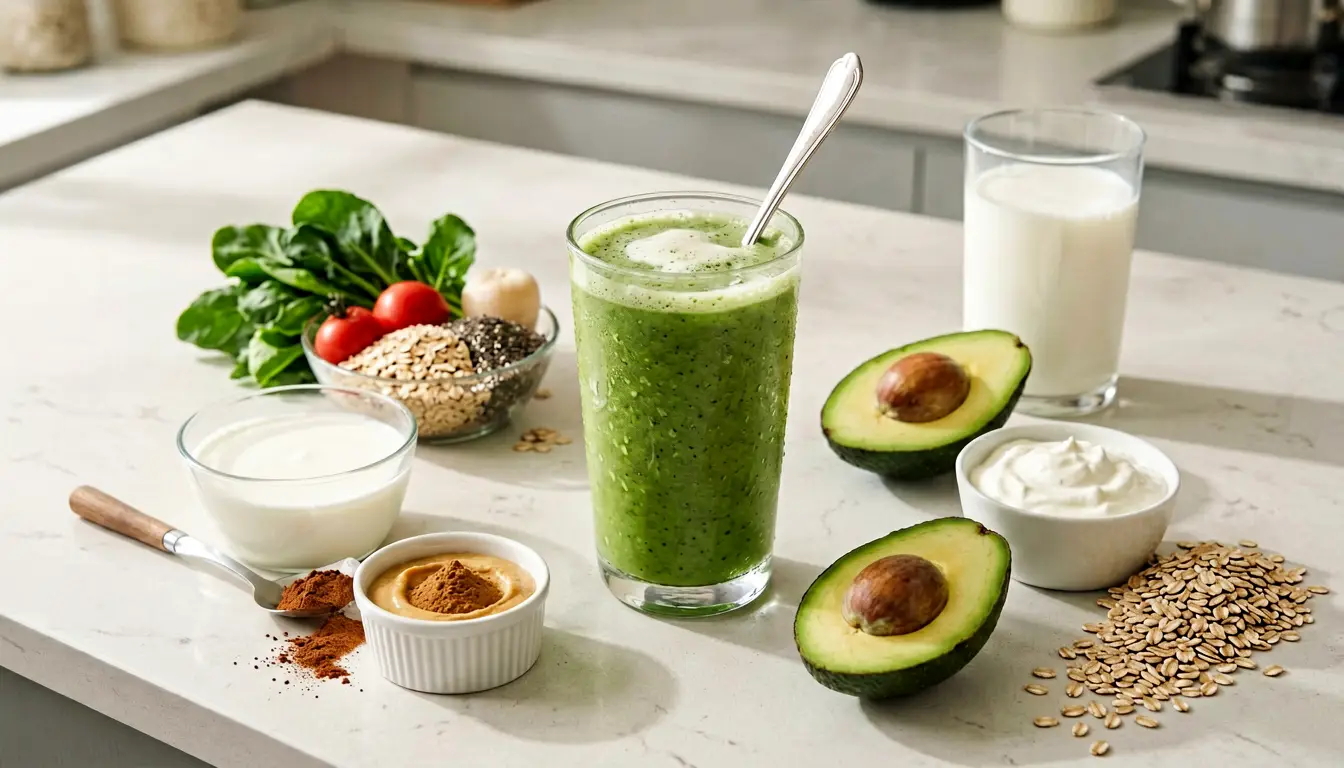
Start with a blender, measuring cups, freezer bags or containers, and a plan for when the smoothie fits into your day. You do not need a special cleanse kit.
Use this basic setup:
| Part | Good Choices | Why It Matters |
|---|---|---|
| Liquid | Water, milk, soy milk, unsweetened almond milk, kefir | Controls texture and sweetness |
| Fruit | Berries, apple, peach, mango, half banana | Adds flavor and fiber when whole fruit is used |
| Vegetables | Spinach, kale, cucumber, zucchini, cauliflower | Adds volume without making the drink too sweet |
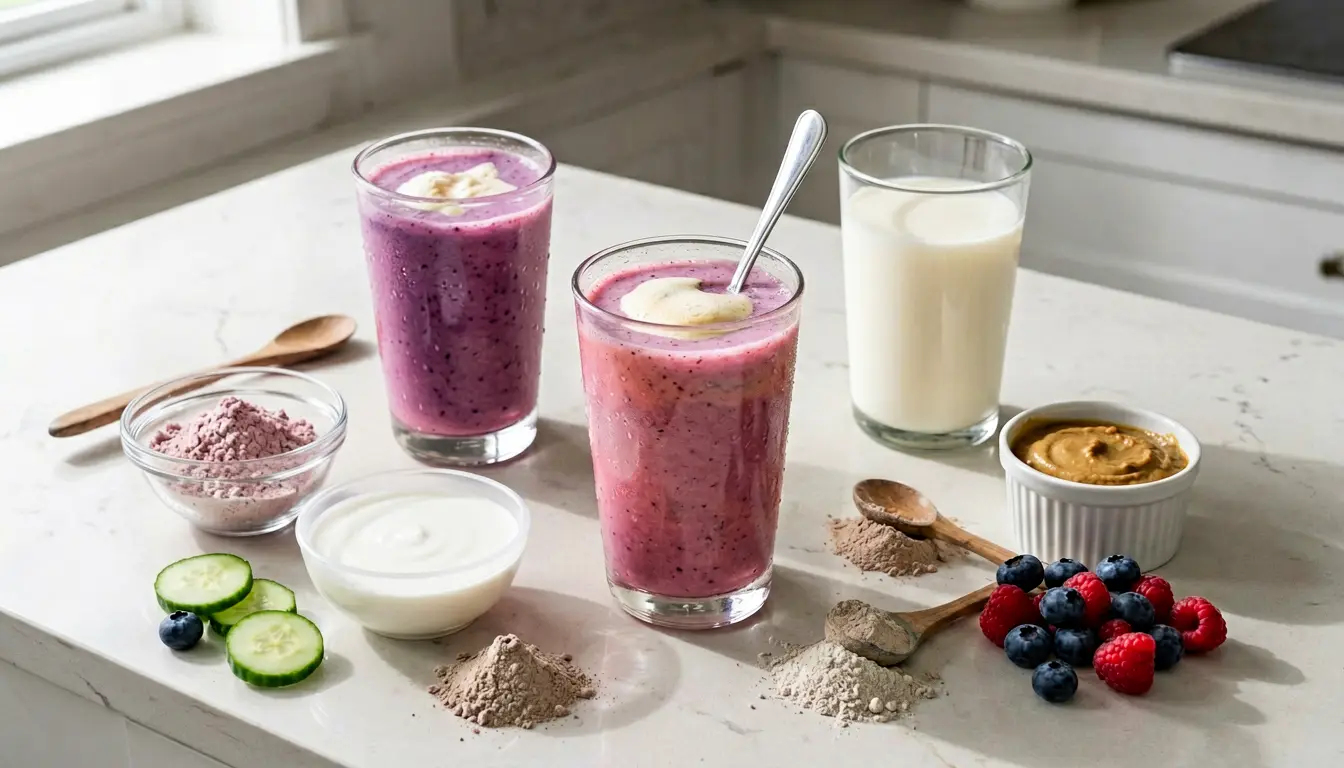
| Protein | Greek yogurt, cottage cheese, tofu, whey, pea protein, soy milk | Helps the smoothie work more like a meal |
| Fiber | Chia, flax, oats, berries, greens | Helps fullness and digestion |
| Fat | Avocado, nut butter, seeds | Makes the smoothie richer and slower to digest |
For weight loss, keep the smoothie simple. A good cup does not need banana, mango, dates, honey, nut butter, granola, and protein powder all at once. If you want lighter recipe ideas, use low-calorie smoothies or smoothies under 200 calories for snack-size blends.
Step-by-Step
1. Pick The Smoothie Job
Decide whether the smoothie is breakfast, lunch, a snack, or a post-workout meal. That choice changes the build.
A meal smoothie needs protein and enough calories to count as food. A snack smoothie can be smaller. A post-workout smoothie should include protein and some carbs. A dessert-style smoothie should stay occasional, even if it uses healthy ingredients.
2. Choose One Meal To Replace
For most people, breakfast is the easiest place to start. One balanced breakfast smoothie is easier to live with than a full liquid day.
If you replace lunch, make sure dinner is a real meal with protein, vegetables, and a filling carb or healthy fat. If you replace dinner, keep the smoothie thicker and protein-rich so you are not prowling the kitchen later.
3. Use The Balanced Smoothie Formula
For one meal-size smoothie, try:
- 3/4 to 1 1/2 cups liquid
- 1/2 to 1 cup fruit
- 1 to 2 handfuls greens or mild vegetables
- 1 protein serving
- 1 tablespoon chia, flax, oats, seeds, or nut butter
- Ice or frozen produce for thickness
- Cinnamon, cocoa, vanilla, ginger, mint, lemon, or lime for flavor
Blend the liquid and greens first. Add fruit, protein, and boosters after the greens are moving. This makes the texture smoother.
4. Keep One Solid Meal
Chewing food matters. Solid meals help with satisfaction, food variety, and normal eating habits. A smoothie diet should not train you to fear regular meals.
Build your solid meal around protein, vegetables, and a carb or fat that suits your goal. Think eggs and toast, chicken and rice, tofu and vegetables, beans and avocado, fish and potatoes, or a big salad with a real protein source.
5. Track Hunger, Energy, And Cravings
The right smoothie should keep you steady for a few hours. If you are hungry an hour later, add protein or fiber before you add more fruit.
If the smoothie tastes like juice and disappears in two minutes, make it thicker. Use frozen berries, Greek yogurt, tofu, chia, flax, avocado, or frozen cauliflower.
6. Rotate Ingredients
Do not drink the same banana-heavy smoothie every day and call it a diet. Rotate fruits, greens, proteins, and fats so the plan feels like food instead of a punishment.
Try berries and yogurt one day, mango and tofu the next, then a green smoothie with avocado and lime. Best breakfast smoothies for weight loss can help if mornings are your main problem area.
Timing / Temperature / Texture Cues
Most smoothies take 5 to 10 minutes. Freezer packs cut that down because the fruit and greens are already measured.
Use frozen fruit for the best texture. Fresh fruit can work, but it often needs ice. If your smoothie gets too thick, add liquid 2 tablespoons at a time. If it gets too thin, add frozen fruit, ice, chia, flax, yogurt, or cauliflower.
Drink meal smoothies slowly. A thick smoothie that takes 10 to 15 minutes to finish is usually more satisfying than a thin fruit drink you gulp in a few minutes.
If you prep ahead, store the dry and frozen parts separately from the liquid. Add protein powder, yogurt, nut butter, chia, and flax at blending time when possible. Blended smoothies can separate in the fridge, so shake well before drinking.
Mistakes to Avoid
Going Too Low On Protein
Many smoothie diet plans fail because the drink is mostly fruit. Fruit is useful, but a meal smoothie needs protein. Greek yogurt, cottage cheese, tofu, whey protein, pea protein, soy milk, and kefir are practical choices.
If you are using smoothies for weight goals, compare which smoothies are best for weight loss before making fruit-only drinks your default.
Making A Sugar Bomb
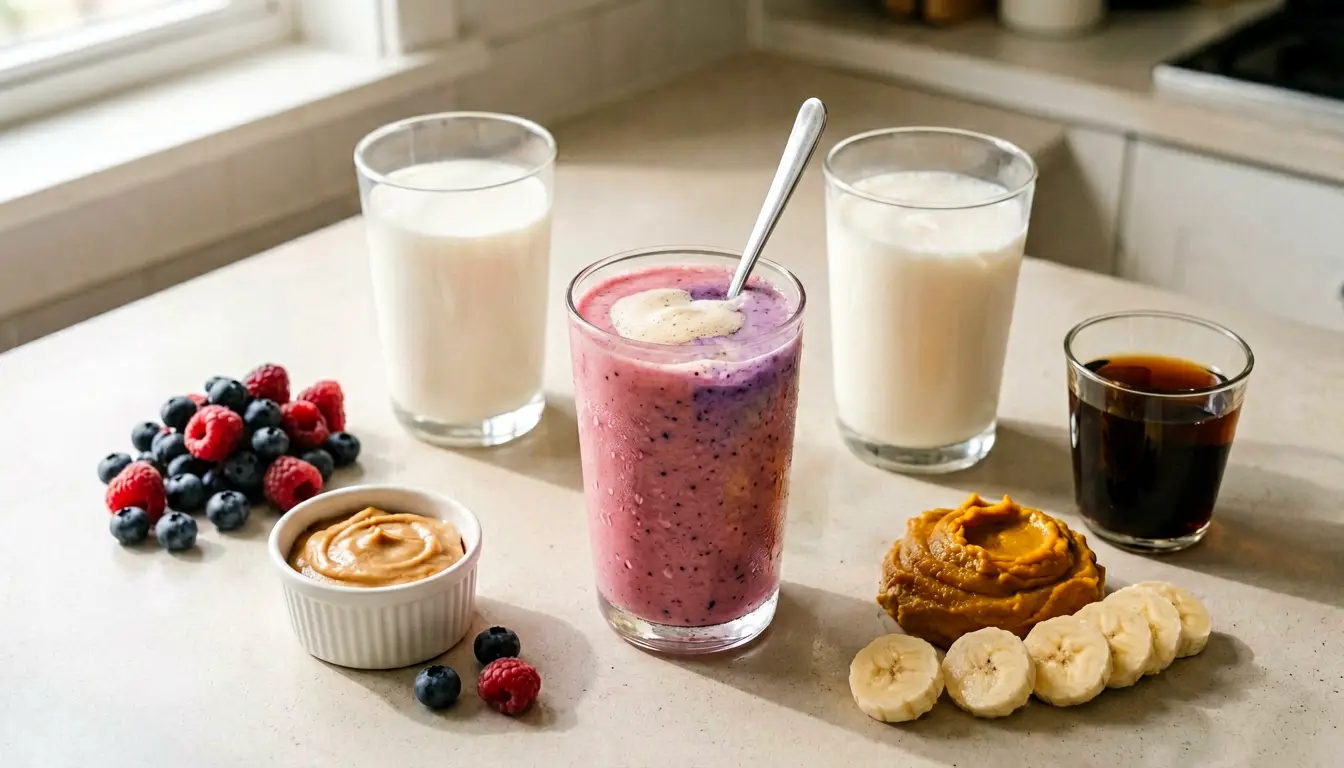
Juice, sweetened yogurt, honey, granola, dates, large bananas, mango, pineapple, and sweetened plant milks can stack quickly. Natural sugar still counts toward the drink's total load.
Use one main sweet fruit, not five. Add flavor with cinnamon, vanilla, cocoa, ginger, mint, lemon, or lime.
Drinking Every Meal
Replacing every meal with smoothies can feel easy at first, but it is hard to keep up. It may also leave you short on protein, calories, iron, whole grains, and other foods you would normally eat.
One smoothie a day is a better starting point. Two may work short term for some people, but it should still include a solid meal and snacks that make sense.
Ignoring Medical Needs
If you have diabetes, kidney disease, digestive problems, eating disorder history, are pregnant, or take medication affected by food intake, get personal guidance before using smoothies as meal replacements.
Smoothies can be useful, but they are still meals. The ingredients matter.
Forgetting That Weight Loss Comes From The Whole Day
A smoothie does not cause weight loss by itself. It helps when it makes your total day easier to manage. If it leads to more snacking, bigger dinners, or constant cravings, change the build or choose a solid meal instead.
Frequently Asked Questions
How do I start a smoothie diet?
Start with one balanced smoothie a day, usually breakfast or lunch. Use whole fruit, vegetables, protein, fiber, and an unsweetened liquid.
Can I drink smoothies for every meal?
Most people should not use smoothies for every meal unless a clinician recommends liquid nutrition. A more realistic plan keeps at least one solid meal each day.
What should I put in a smoothie for weight loss?
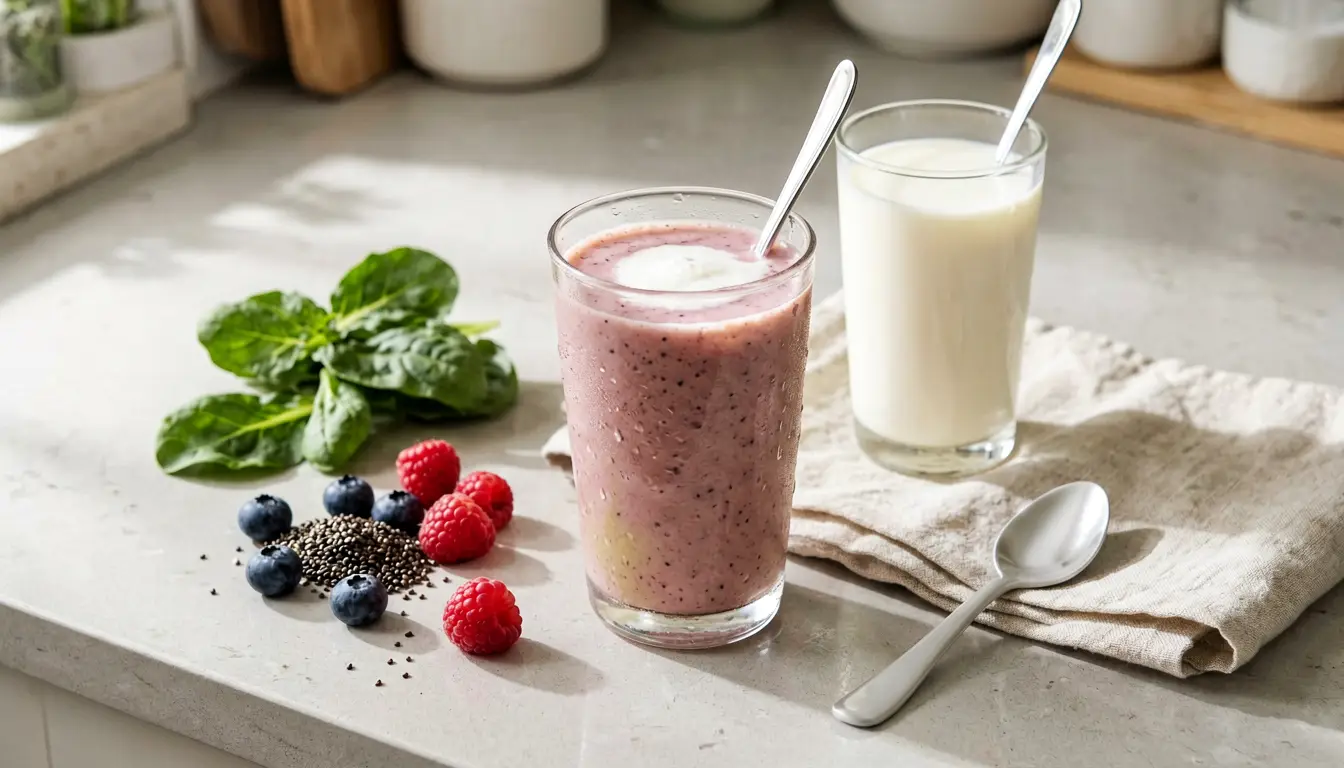
Use berries or measured fruit, spinach or another mild vegetable, Greek yogurt or protein powder, chia or flax, and an unsweetened liquid.
Do I need protein powder for a smoothie diet?
No. Protein powder is convenient, but Greek yogurt, cottage cheese, tofu, kefir, soy milk, and nut butter can also add protein.
How many smoothies should I drink per day?
One meal smoothie per day is a practical starting point. Two can work for a short period if both are balanced and you still eat enough solid food.
Are smoothie cleanses a good idea?
Smoothie cleanses are usually too restrictive for regular life. A balanced smoothie habit is more useful than a short cleanse that leaves you hungry.
Why am I hungry after a smoothie?
The smoothie may be too thin, too low in protein, too low in fiber, or too sweet. Add protein, chia, flax, yogurt, tofu, avocado, or vegetables.
For a more focused plan, use the best smoothies for weight loss for recipe ideas, low-sugar smoothie ingredients when cravings are the issue, smoothies high in protein when you need a larger meal, and do smoothies work for weight loss if you want the bigger picture.