
As an affiliate, we may earn a commission from qualifying purchases. We get commissions for purchases made through links on this website from Amazon and other third parties.
Smoothie nutrition gets better when the smoothie is built on purpose. That usually means balancing fruit with ingredients that add protein, fiber, healthy fats, or vegetables instead of hoping a random handful of "healthy" extras will do the job.
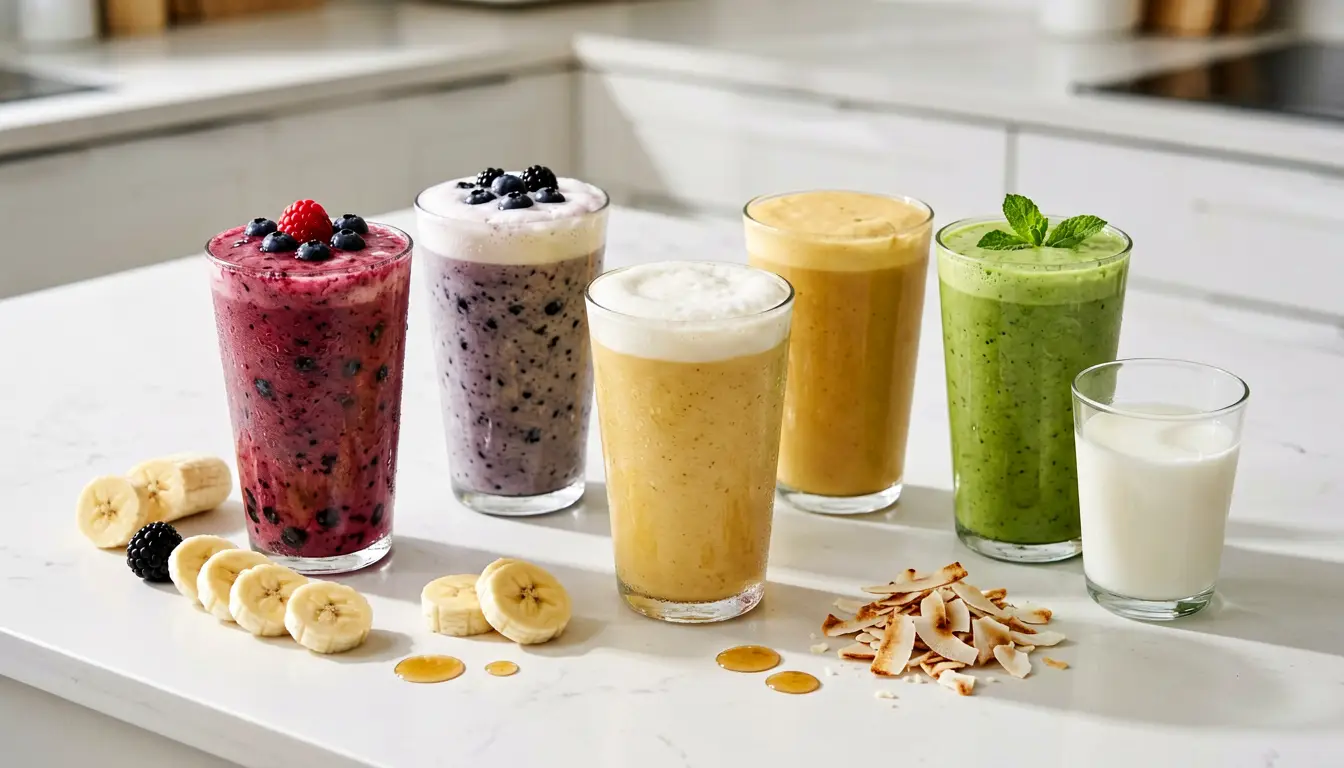
This list looks at smoothie nutrition through the kinds of blends people actually make: balanced breakfast smoothies, kid-friendly options, green smoothies, tropical versions, warm spice blends, and richer smoothies that still have a solid structure. If you want one flexible base method instead of a roundup, nutritious smoothies is the better guide. If you want a fruit-first healthy list, healthy fruit smoothie recipes is more specific.
Quick Picks / Best Fits
| If you want… | Start here | Why it works |
|---|---|---|
| the most balanced all-around choice | strawberry banana balanced smoothie | Fruit, protein, and seeds make it easy to repeat. |
| a family-friendly option | toddler-friendly berry smoothie | It stays colorful and approachable without getting too thin. |
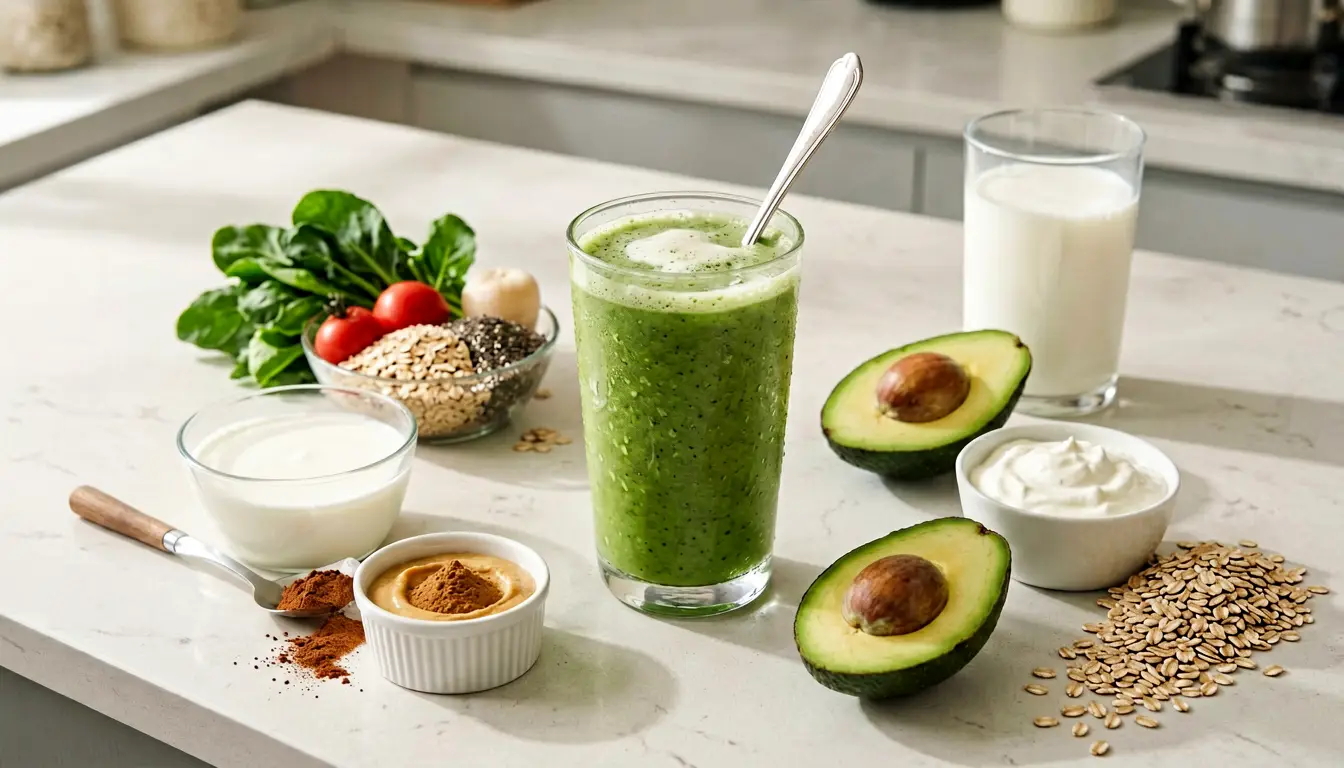
| the best green option | healthy green smoothie | Greens, fruit, and a creamy base keep it easy to drink. |
| a more filling breakfast | breakfast oats smoothie | Oats and yogurt give it real staying power. |
| a tropical nutrition option | avocado pineapple smoothie | Healthy fats and tropical fruit work well together. |
| a warm spice option | turmeric ginger smoothie | Fruit smooths out the spice and keeps the blend fresh. |
How This List Is Organized
These smoothie nutrition ideas are grouped by use case. Some are better at getting more greens into the day. Some are better for breakfast because they include protein, oats, or healthy fats. Some are easier for kids because the flavor stays familiar. Others lean into specific ingredient goals such as warm spices, extra fiber, or a little more produce diversity.
That structure matters because "nutritious" is too broad on its own. A toddler smoothie and a post-workout smoothie might both be healthy, but they are not trying to solve the same problem. If your main question is how to build the base formula, how to make smoothies with fruit and nutritious smoothies both help. If you want the wider category view after this, best smoothies is the next stop.
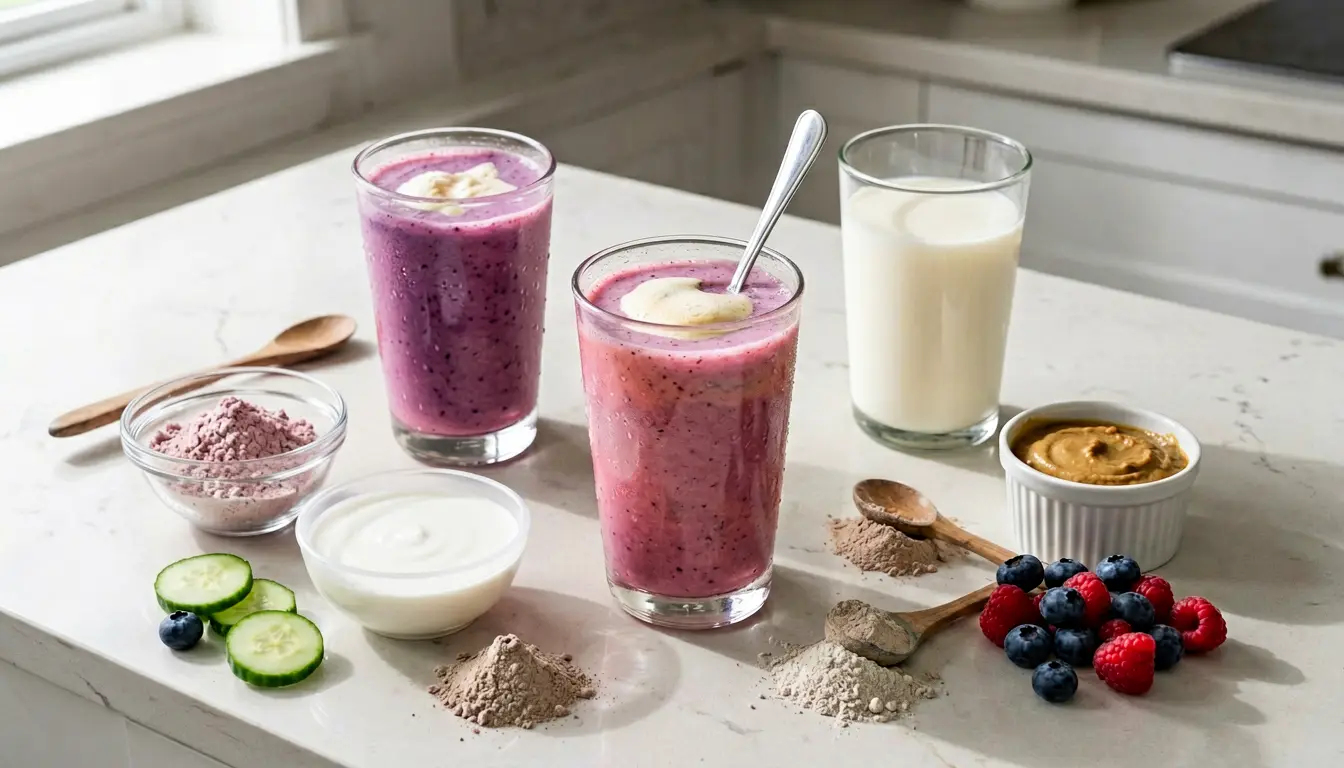
When nutrition is the goal, the add-ins should solve a real problem in the glass. Protein powder for smoothies helps when breakfast needs more staying power, while oats for smoothies can make fruit blends thicker and slower to drink.
If you are considering a structured smoothie plan instead of building your own nutrition routine, read the Smoothie Diet review before paying for the program.
Balanced Strawberry Banana Smoothie
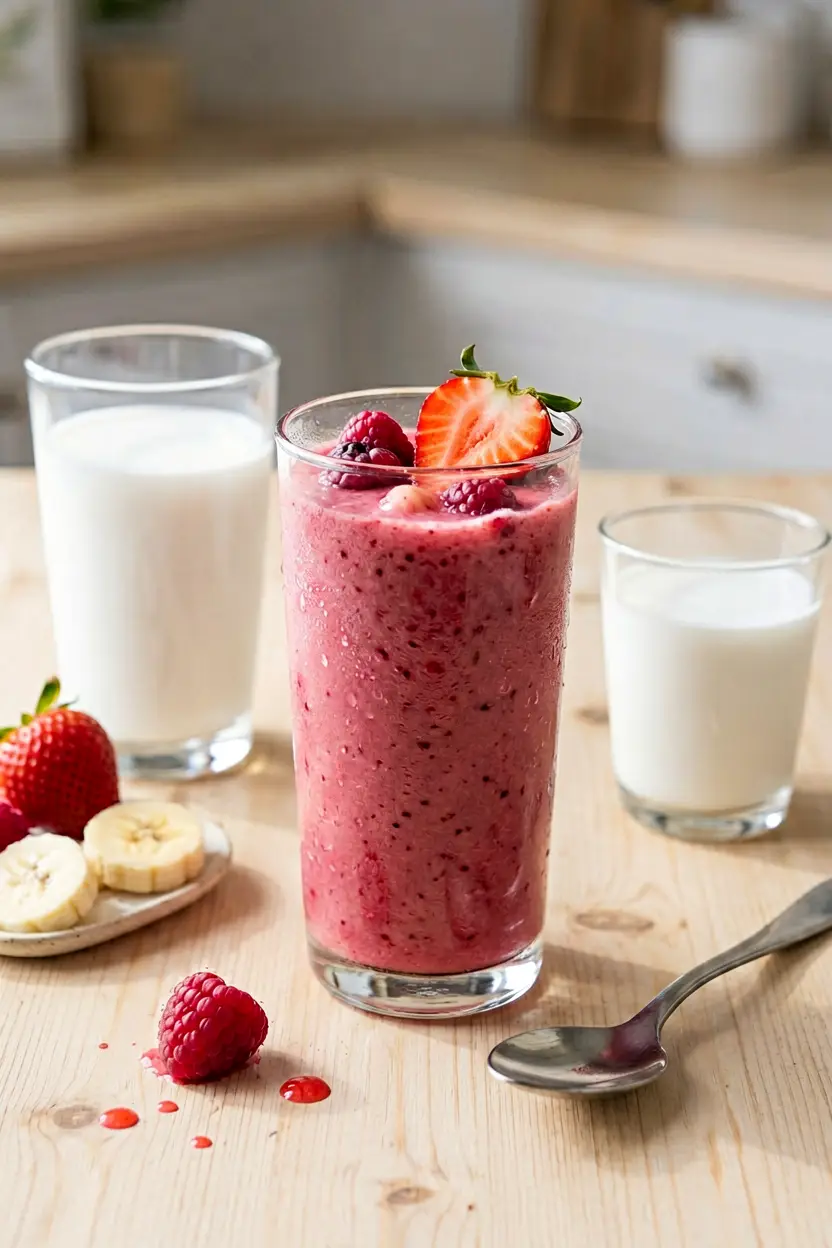
The Balanced Strawberry Banana blend keeps the main fruit easy to taste while adding enough body for a real smoothie texture.
Ingredients:
- 1 cup strawberries, fresh or frozen
- 1 cup mixed berries, fresh or frozen
- 1 banana, preferably frozen
- 3/4 cup milk, almond milk, soy milk, or coconut water
- 1 teaspoon honey or maple syrup, optional
How to Make It: Add the liquid to the blender first, then add the fruit and thicker ingredients. Blend until smooth, stopping once to scrape down the sides if needed. Taste, then thin with a splash more liquid or thicken with a few ice cubes or extra frozen fruit.
Recipe Tips: Add yogurt, oats, or chia if you want this to work more like breakfast.
Toddler-Friendly Berry Smoothie
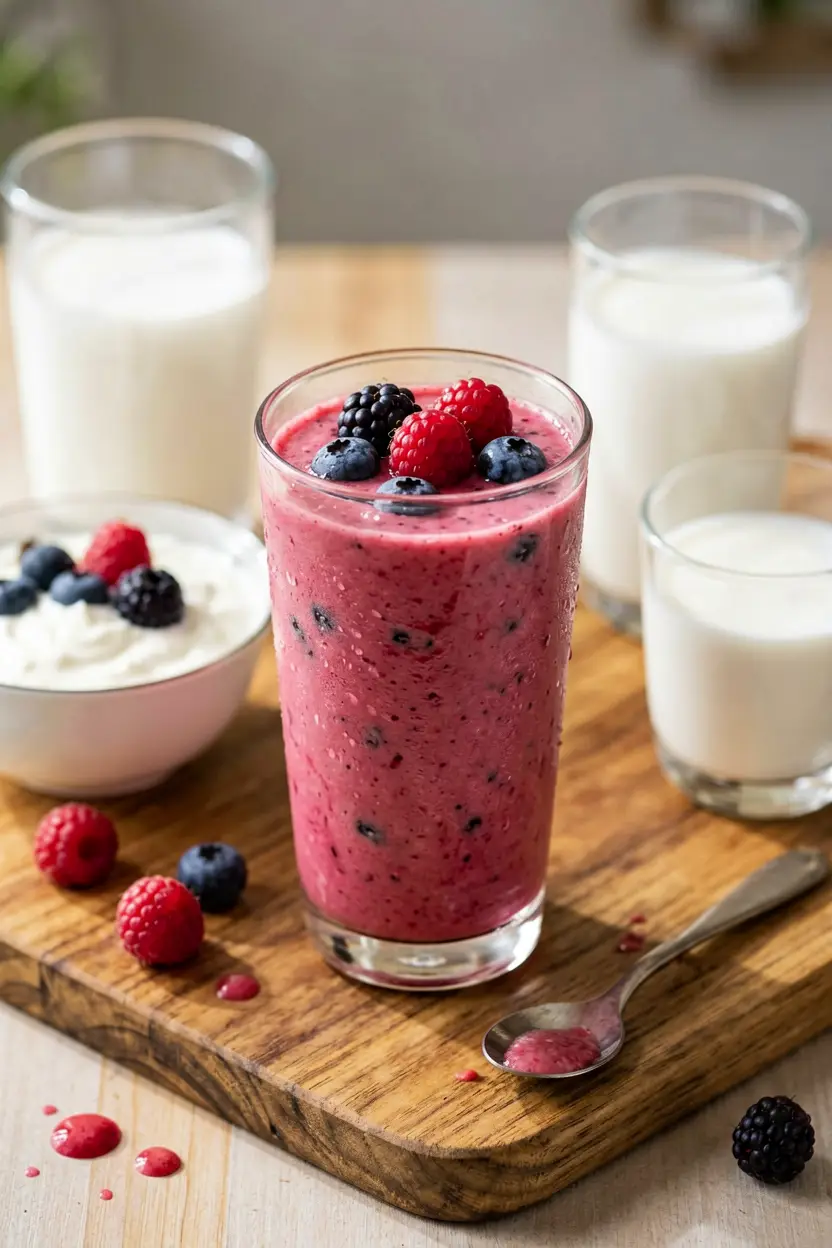
The Toddler-Friendly Berry blend keeps the main fruit easy to taste while adding enough body for a real smoothie texture.
Ingredients:
- 1 cup mixed berries, fresh or frozen
- 1/2 cup plain yogurt
- 3/4 cup milk, almond milk, soy milk, or coconut water
- 1 teaspoon honey or maple syrup, optional
How to Make It: Add the liquid to the blender first, then add the fruit and thicker ingredients. Blend until smooth, stopping once to scrape down the sides if needed. Taste, then thin with a splash more liquid or thicken with a few ice cubes or extra frozen fruit.
Recipe Tips: Keep seeds and tart add-ins low so the smoothie stays smooth and mild.
Healthy Green Smoothie
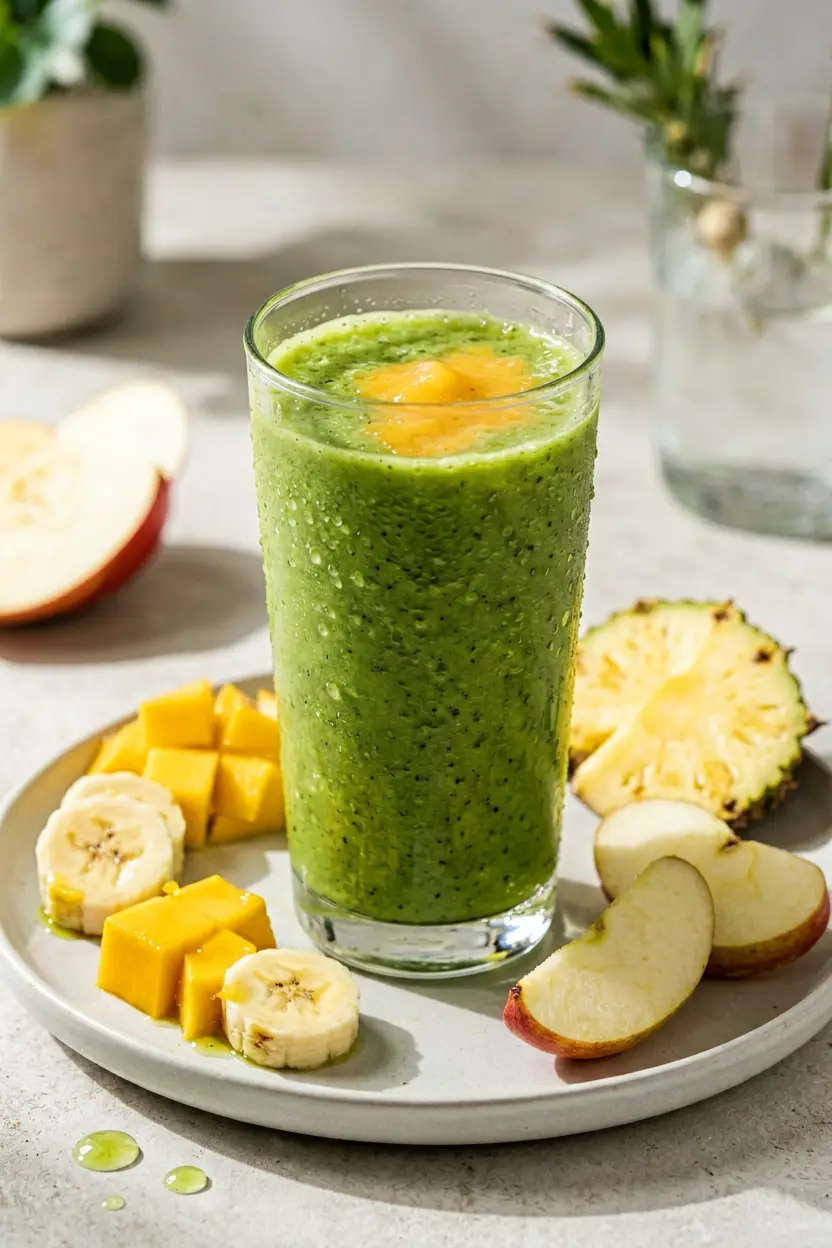
The Healthy Green blend uses fruit and enough liquid to keep the greens mild and smooth.
Ingredients:
- 1/2 banana, preferably frozen
- 1/2 cup mango or pineapple chunks
- 1 cup baby spinach or mild greens
- 1 tablespoon chia seeds or ground flaxseed
- 3/4 cup milk, almond milk, soy milk, or coconut water
- 1 teaspoon honey or maple syrup, optional
How to Make It: Add the liquid to the blender first, then add the fruit and thicker ingredients. Blend until smooth, stopping once to scrape down the sides if needed. Taste, then thin with a splash more liquid or thicken with a few ice cubes or extra frozen fruit.
Recipe Tips: Use baby spinach and frozen fruit for an easier green smoothie texture.
Protein Mango Ginger Smoothie
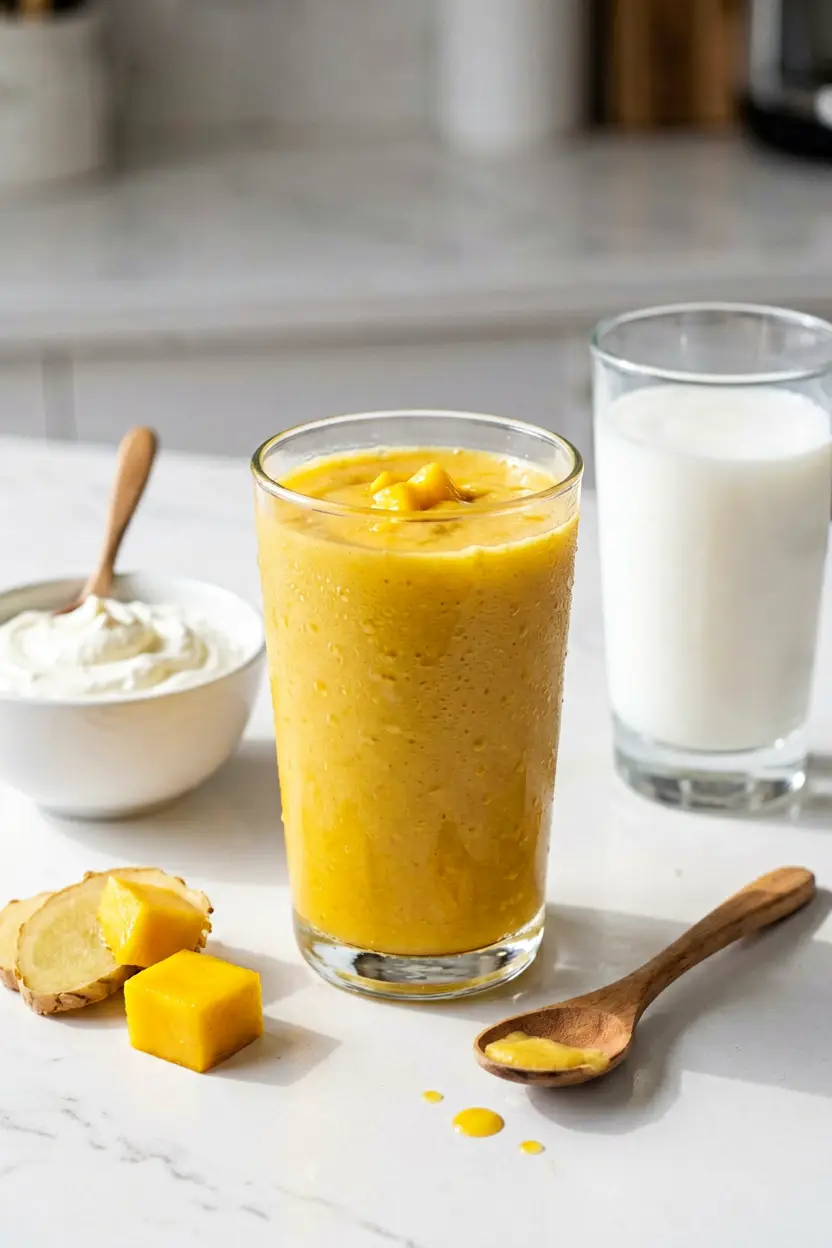
The Protein Mango Ginger version adds more body so the smoothie feels more breakfast-ready.
Ingredients:
- 1 cup mango chunks, fresh or frozen
- 1 teaspoon grated fresh ginger
- 1/2 cup Greek yogurt or 1 scoop protein powder
- 3/4 cup milk, almond milk, soy milk, or coconut water
- 1 teaspoon honey or maple syrup, optional
How to Make It: Add the liquid to the blender first, then add the fruit and thicker ingredients. Blend until smooth, stopping once to scrape down the sides if needed. Taste, then thin with a splash more liquid or thicken with a few ice cubes or extra frozen fruit.
Recipe Tips: Add protein powder after the mango and ginger so it blends without clumps.
Tropical Greens Smoothie
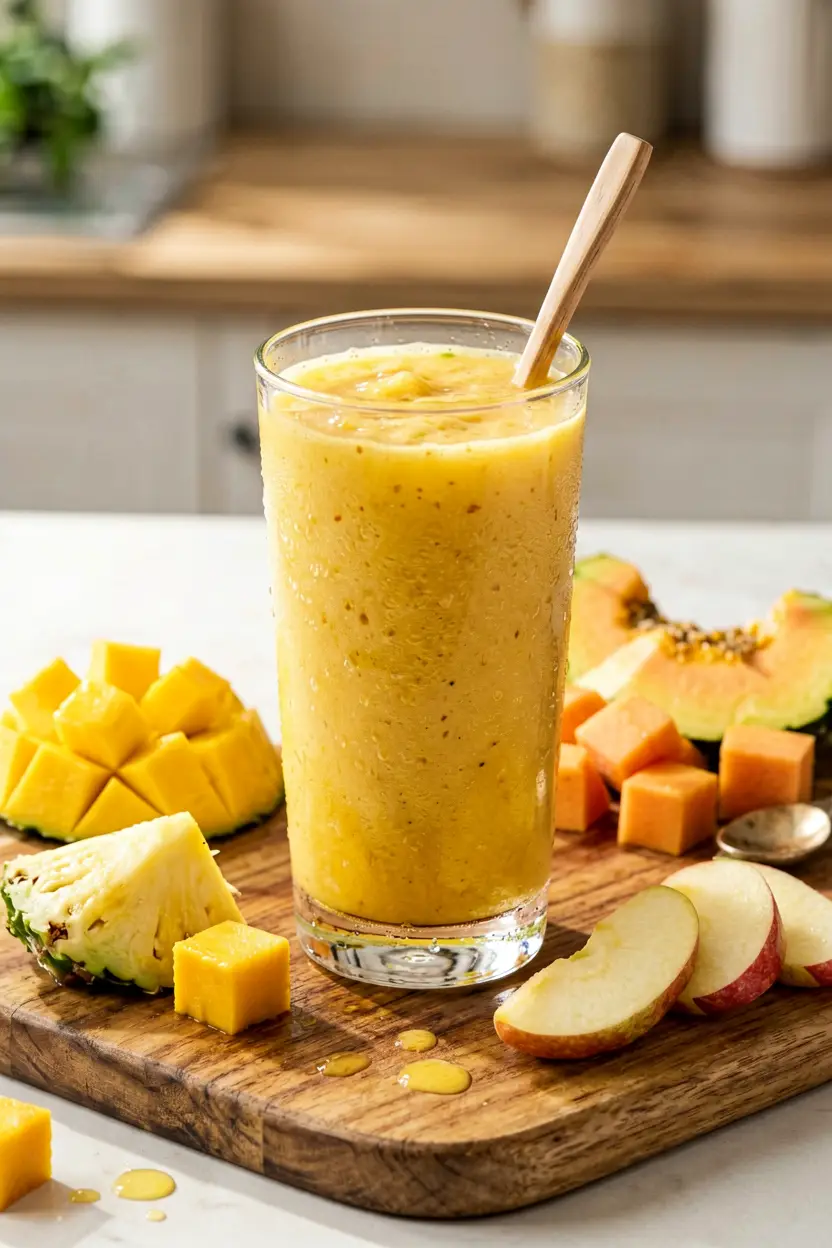
The Tropical Greens blend uses fruit and enough liquid to keep the greens mild and smooth.
Ingredients:
- 1 cup mango, pineapple, or papaya chunks
- 1 cup baby spinach or mild greens
- 3/4 cup milk, almond milk, soy milk, or coconut water
- 1 teaspoon honey or maple syrup, optional
How to Make It: Add the liquid to the blender first, then add the fruit and thicker ingredients. Blend until smooth, stopping once to scrape down the sides if needed. Taste, then thin with a splash more liquid or thicken with a few ice cubes or extra frozen fruit.
Recipe Tips: Use pineapple or mango to keep the greens from tasting too grassy.
Berry Nutrition Smoothie
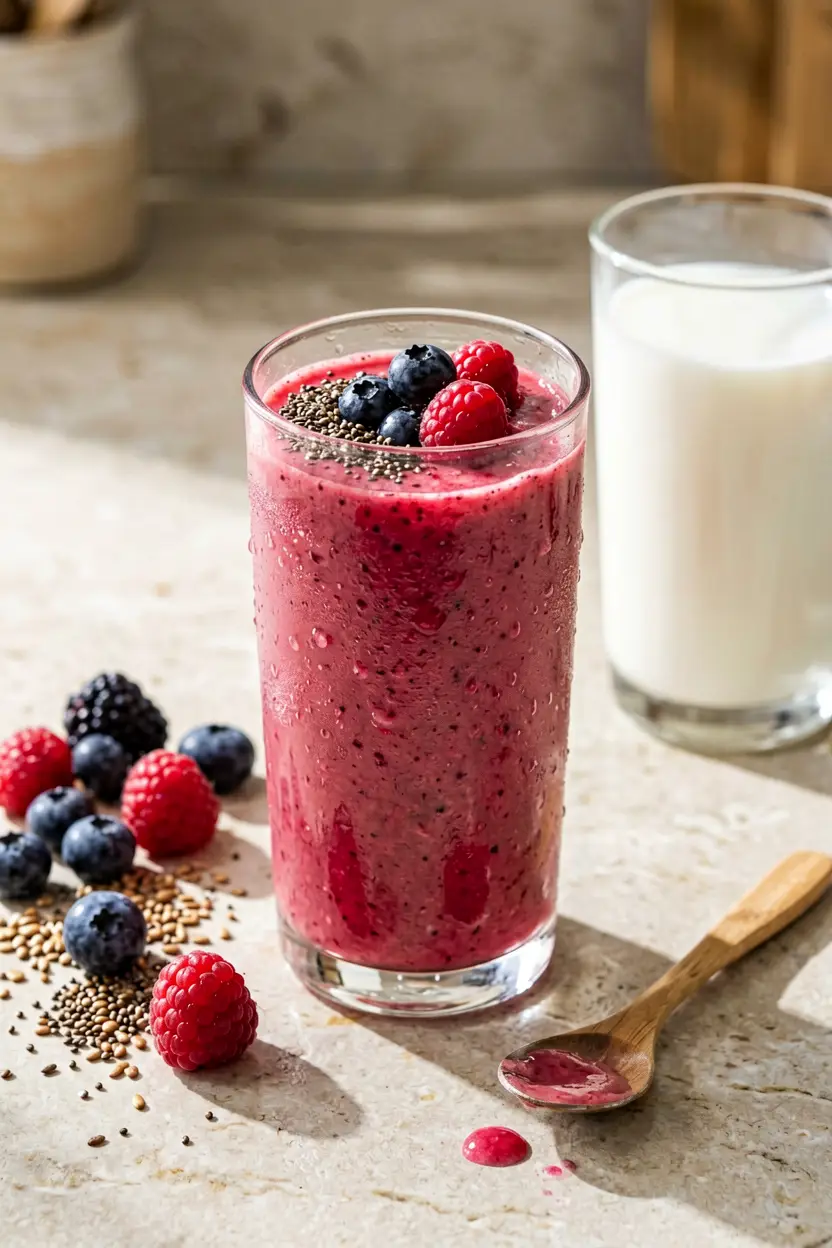
The Berry Nutrition version adds more body so the smoothie feels more breakfast-ready.
Ingredients:
- 1 cup mixed berries, fresh or frozen
- 1 tablespoon chia seeds or ground flaxseed
- 3/4 cup milk, almond milk, soy milk, or coconut water
- 1 teaspoon honey or maple syrup, optional
How to Make It: Add the liquid to the blender first, then add the fruit and thicker ingredients. Blend until smooth, stopping once to scrape down the sides if needed. Taste, then thin with a splash more liquid or thicken with a few ice cubes or extra frozen fruit.
Recipe Tips: Keep add-ins focused so the berry flavor does not get lost.
Turmeric Ginger Smoothie
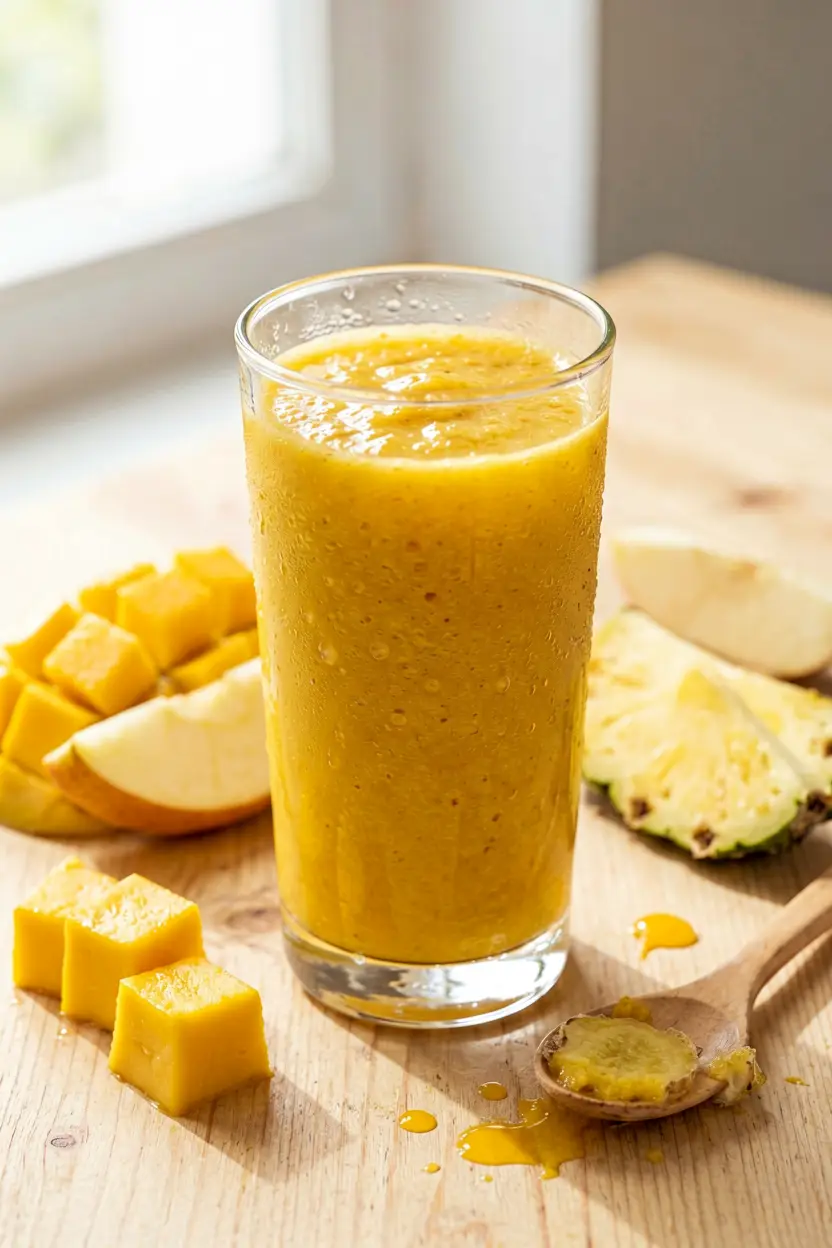
The Turmeric Ginger version uses a brighter accent to keep the fruit flavor lively.
Ingredients:
- 1 cup mango or pineapple chunks, fresh or frozen
- 1 teaspoon grated fresh ginger
- 1/4 teaspoon ground turmeric or 1/2 teaspoon grated fresh turmeric
- 3/4 cup milk, almond milk, soy milk, or coconut water
- 1 teaspoon honey or maple syrup, optional
How to Make It: Add the liquid to the blender first, then add the fruit and thicker ingredients. Blend until smooth, stopping once to scrape down the sides if needed. Taste, then thin with a splash more liquid or thicken with a few ice cubes or extra frozen fruit.
Recipe Tips: Start with small amounts of turmeric and ginger because both get strong fast.
Breakfast Oats Smoothie
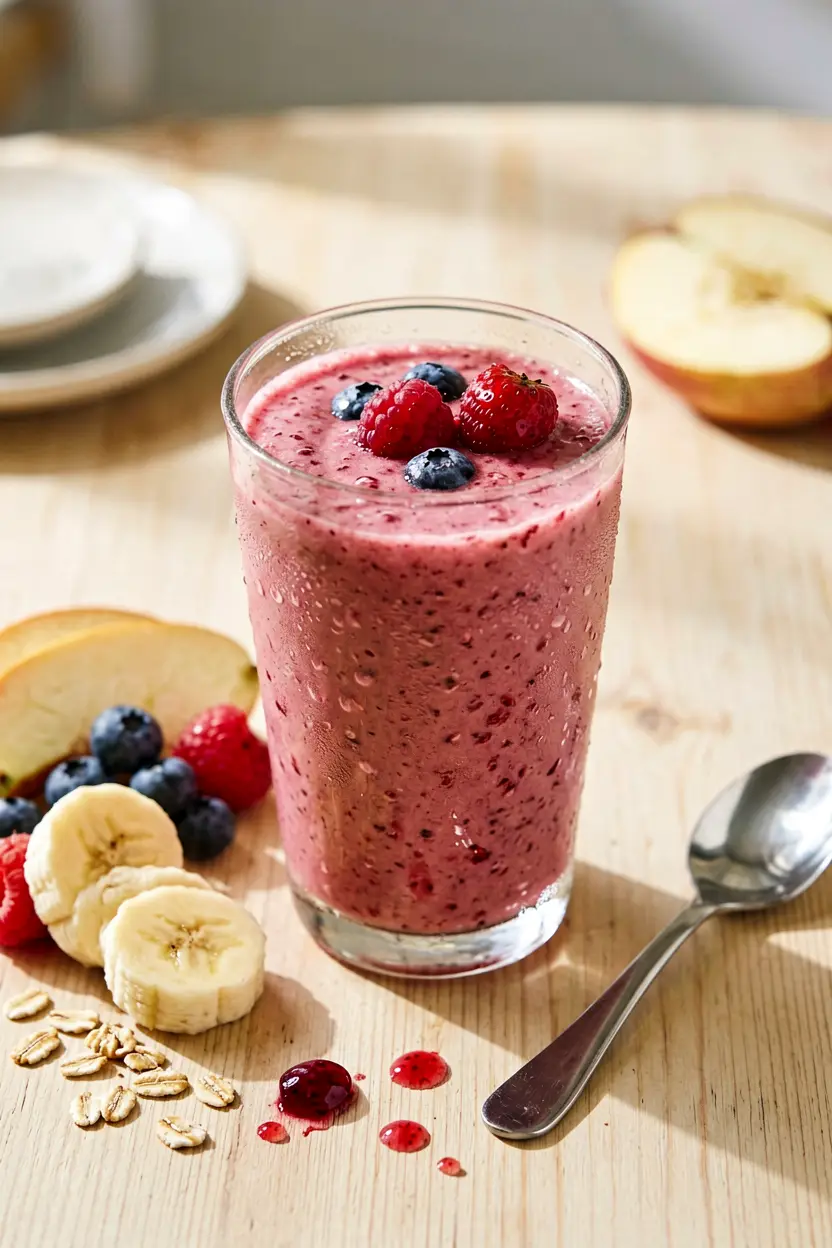
The Breakfast Oats version adds more body so the smoothie feels more breakfast-ready.
Ingredients:
- 1 banana, preferably frozen
- 1/2 cup berries or chopped apple
- 2 tablespoons rolled oats or chia seeds
- 3/4 cup milk, almond milk, soy milk, or coconut water
- 1 teaspoon honey or maple syrup, optional
How to Make It: Add the liquid to the blender first, then add the fruit and thicker ingredients. Blend until smooth, stopping once to scrape down the sides if needed. Taste, then thin with a splash more liquid or thicken with a few ice cubes or extra frozen fruit.
Recipe Tips: Let oats soak briefly in the liquid if your blender struggles with texture.
Chocolate Nutrition Smoothie
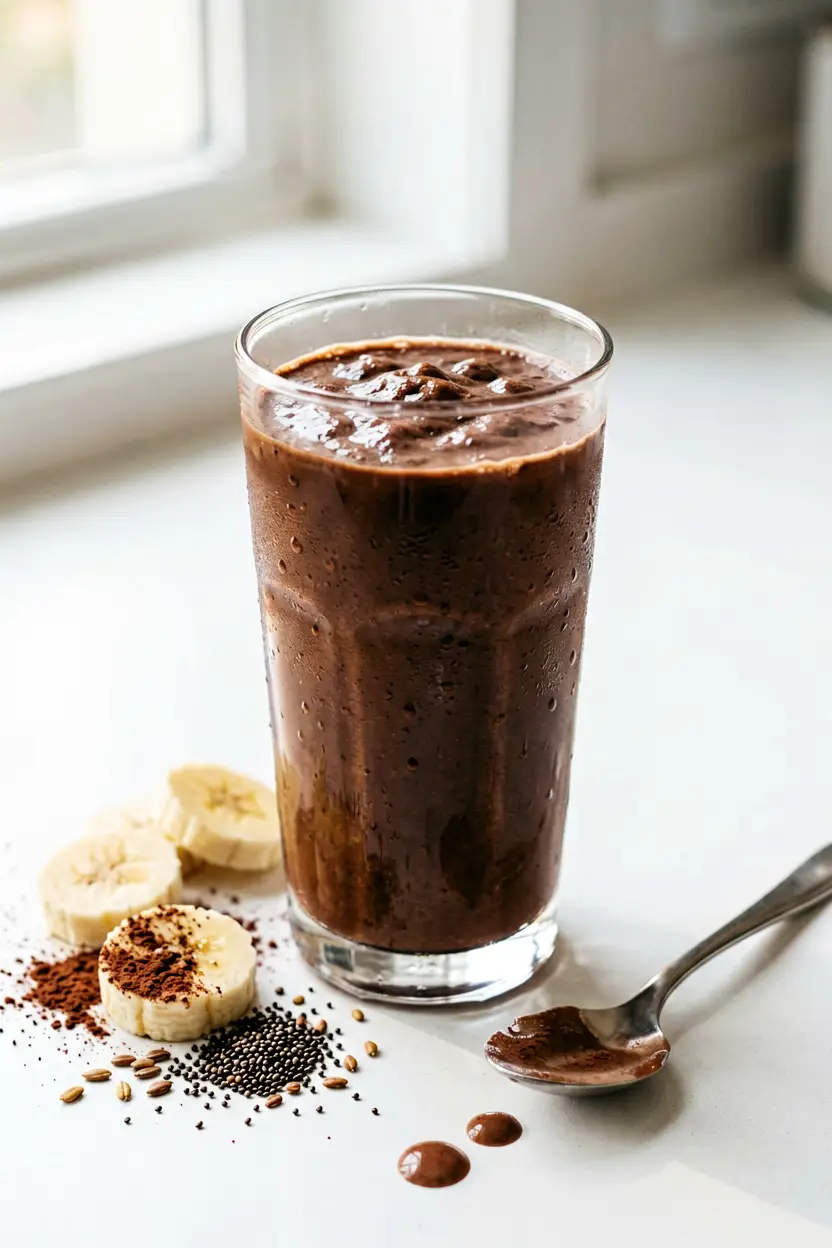
The Chocolate Nutrition version adds more body so the smoothie feels more breakfast-ready.
Ingredients:
- 1 banana, preferably frozen
- 1 tablespoon cocoa or cacao powder
- 1 tablespoon chia seeds or ground flaxseed
- 3/4 cup milk, almond milk, soy milk, or coconut water
- 1 teaspoon honey or maple syrup, optional
How to Make It: Add the liquid to the blender first, then add the fruit and thicker ingredients. Blend until smooth, stopping once to scrape down the sides if needed. Taste, then thin with a splash more liquid or thicken with a few ice cubes or extra frozen fruit.
Recipe Tips: Blend cocoa into the liquid first so it disperses evenly.
Avocado Pineapple Smoothie
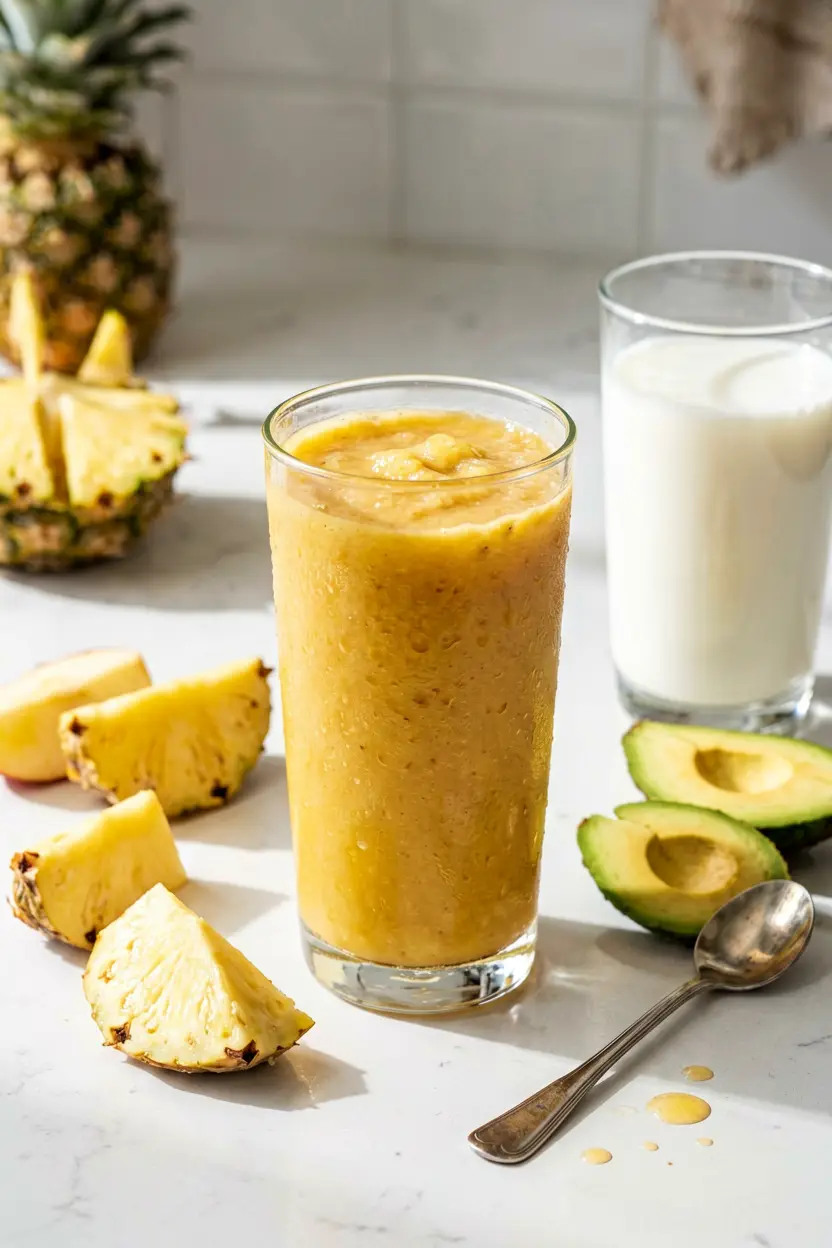
The Avocado Pineapple blend keeps the main fruit easy to taste while adding enough body for a real smoothie texture.
Ingredients:
- 1 cup pineapple chunks, fresh or frozen
- 1 small apple, chopped
- 1/4 to 1/2 ripe avocado
- 3/4 cup milk, almond milk, soy milk, or coconut water
- 1 teaspoon honey or maple syrup, optional
How to Make It: Add the liquid to the blender first, then add the fruit and thicker ingredients. Blend until smooth, stopping once to scrape down the sides if needed. Taste, then thin with a splash more liquid or thicken with a few ice cubes or extra frozen fruit.
Recipe Tips: Use ripe avocado and pineapple together so the smoothie stays creamy and bright.
How to Choose the Right Option
Start with the result you want after you finish the glass. If you want to feel fuller, go with breakfast oats, balanced strawberry banana, avocado pineapple, or protein mango ginger. If you want something lighter and produce-forward, the green and tropical options make more sense.
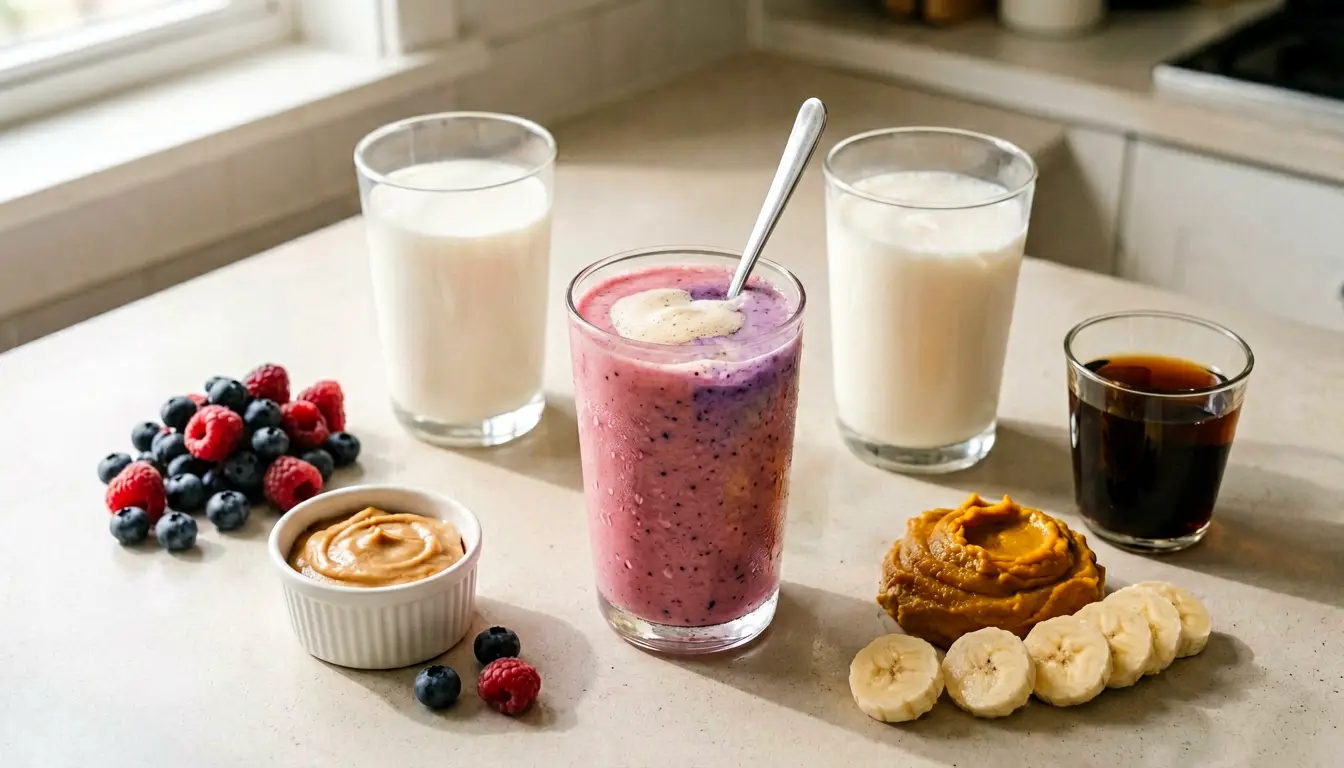
Then think about who the smoothie is for. A toddler-friendly berry smoothie should stay familiar and simple. A turmeric ginger smoothie can afford a little more spice. A breakfast smoothie should usually include enough protein, fiber, or fat to hold longer. If nut butter is your preferred path to that, smoothie recipes with peanut butter shows more ways to use it, while peanut butter smoothie ideas keeps peanut butter as the main flavor.
Good smoothie nutrition usually comes from matching the smoothie to the moment. A well-chosen simple smoothie is often more useful than an overloaded "super smoothie" that tries to do everything at once.
Frequently Asked Questions
What makes a smoothie more nutritious?
Usually it is a better balance of fruit, vegetables, protein, fiber, healthy fats, and liquid rather than just extra ingredients piled into the blender.
Are green smoothies the healthiest option?
They can be very useful, but not always automatically better. A smoothie still works best when it is balanced and easy enough to keep drinking regularly.
What is the best smoothie for breakfast nutrition?
Smoothies with yogurt, oats, seeds, nut butter, avocado, or another protein source usually work best for breakfast because they have more staying power.
Can smoothies be nutritious enough for kids?
Yes. Berry, banana, yogurt, and milk-based smoothies are often an easy family-friendly starting point, especially when the flavor stays familiar.
Do nutritious smoothies need added sweetener?
Not always. Ripe fruit usually handles enough of the sweetness on its own, especially when the ingredient list is balanced.
How do I improve smoothie nutrition without ruining the taste?
Add one helpful ingredient at a time. Spinach, oats, chia, flax, yogurt, avocado, or nut butter are usually easier to work in than throwing many add-ins together at once.
For the base formula, nutritious smoothies keeps the structure tighter. Healthy fruit smoothie recipes stays fruit-led, best smoothies gives you more styles to compare, and how to make smoothies with fruit helps with method.