
As an affiliate, we may earn a commission from qualifying purchases. We get commissions for purchases made through links on this website from Amazon and other third parties.
Fresh smoothies work best when the fruit still tastes alive in the glass. That usually means less ice, fewer heavy add-ins, and a little more attention to fruits and greens that taste bright on their own. A fresh smoothie should feel clean and cold, not weighed down or muddy.
This guide uses one simple fresh-smoothie method, then shows you how to turn it into different variations without rebuilding the whole process each time. If you want a true list of lighter fruit combinations, fresh fruit smoothie recipes is the closest companion page. If you are still figuring out blending order, how to make smoothies with fruit covers the core technique first.
Quick Answer
To make a fresh smoothie, start with ripe fresh fruit, use just enough liquid to help the blender move, and keep the add-ins light enough that the fruit still leads the flavor. A little frozen fruit can help with chill and texture, but the drink should still taste like fresh produce, not like a freezer pack.
The easiest way to get there is to build around one fresh main fruit, one supporting fruit or green ingredient, and one creamy element if the smoothie needs more body. That keeps the blend bright while still giving it enough structure to drink well.
At a Glance
Fresh smoothies fit best when you want a fast breakfast, an afternoon snack, or a lighter drink in warm weather. They are especially useful when you have ripe fruit on hand and do not want to hide it under too much yogurt, nut butter, or ice.
The main thing to watch is texture. Fresh fruit holds more water and less frost than frozen fruit, so these smoothies can turn thin fast if the liquid gets out of hand. If you want a thicker result while keeping the same bright flavor, how to make smoothies thick helps you fix that without losing flavor.
Why This Recipe Works
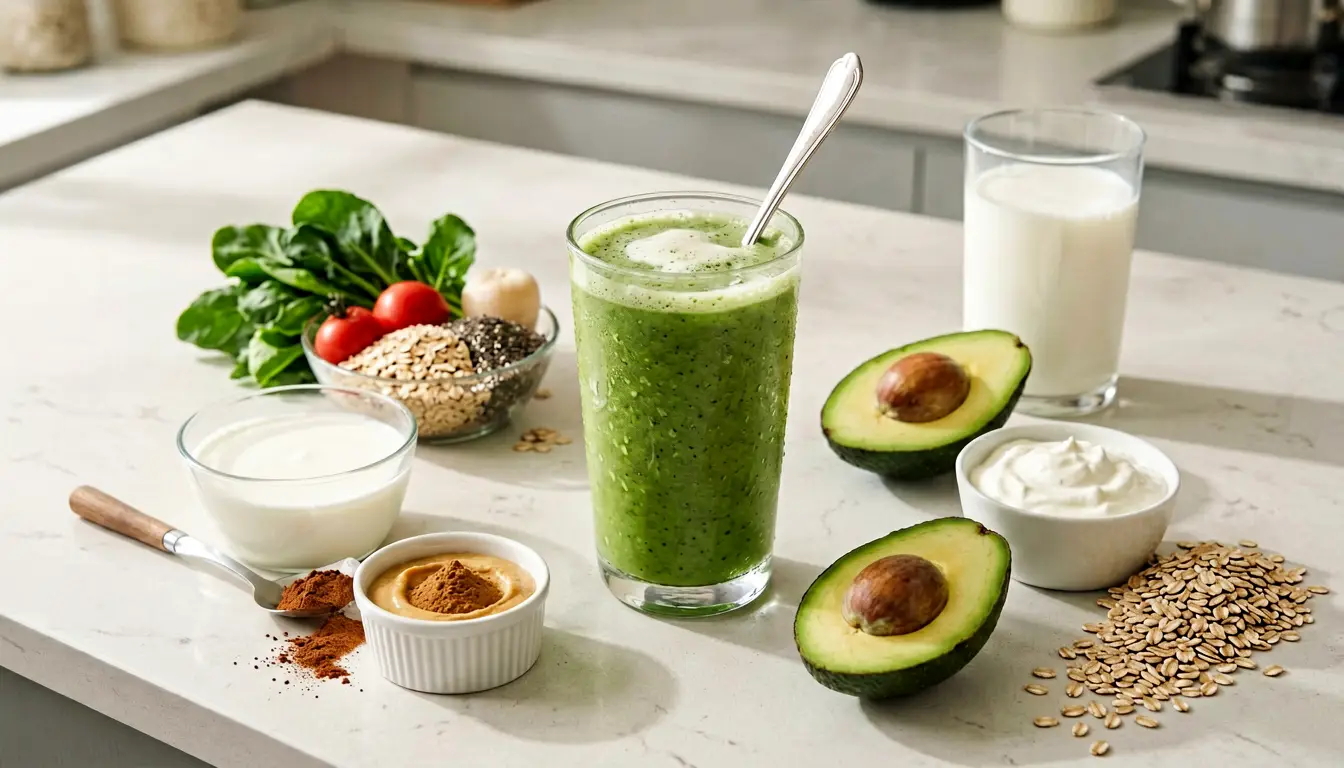
This base method works because each part does one clear job. Fresh fruit gives the smoothie its main flavor. A second fruit or a handful of greens adds contrast so the drink does not taste flat. A small creamy element, such as yogurt, banana, avocado, or oats, helps hold the texture together when the fruit alone is too watery.
It also works because the method stays flexible. You can lean more fruity, more green, more tropical, or more breakfast-like without starting from zero every time. That is why this article pairs well with best fruit smoothies for broader flavor ideas and balanced fruit smoothie ideas if you want more structured combinations.
Ingredients
The easiest fresh smoothie base starts with one ripe main fruit. Strawberries, peaches, mango, pineapple, papaya, kiwi, watermelon, and orange all work well when they are fresh and flavorful. Then add one supporting ingredient that changes the direction a little, such as banana for body, berries for tartness, spinach for freshness, or lime for brightness.
For creaminess, choose one helper instead of piling them on. Greek yogurt makes the smoothie rounder and tangier. Banana softens the blend. Avocado adds body without much sweetness. Oats and chia can help a smoothie feel more filling. If you want a lighter drink, skip most of those and let the fresh fruit lead.
The liquid can be milk, plant milk, water, coconut water, or juice, but use restraint. Fresh fruit already carries plenty of water. The goal is movement in the blender, not a diluted drink.
Equipment You Need
You only need a blender that can handle soft fruit, a cutting board, and a knife. If you use greens often, a blender with enough power to smooth them out matters more. If not, almost any decent blender can handle these combinations as long as you cut bigger fruit into manageable pieces first.
A citrus juicer is useful when orange, lemon, or lime is part of the plan, and a freezer bag or container helps if you want to chill a banana or a handful of fruit ahead of time. That light prep makes fresh smoothies taste colder and more polished without turning them into fully frozen blends.
If fresh fruit smoothies keep turning thin, compare frozen fruit for smoothies before adding more ice. A small amount of the right frozen fruit can keep the drink cold while the fresh fruit still leads.
If you are deciding whether to keep mixing fresh smoothies freely or follow a set smoothie plan, compare The Smoothie Diet with homemade smoothies before giving up the flexibility of your own fruit combinations.
Step-by-Step Method
Start by adding the liquid to the blender first. That gives the blades something to grab and keeps you from pouring in too much later. After that, add your softer ingredients, such as yogurt, banana, avocado, spinach, or citrus juice.
Then add the fresh fruit. If the smoothie needs more chill or body, add a small amount of frozen fruit last. Blend until smooth, stop and check the texture, then adjust in small steps. If the smoothie is too thin, add more fruit or a creamy ingredient. If it is too thick to move, add a small splash of liquid instead of a large pour.
This order matters because fresh fruit breaks down quickly. Once it blends, the drink can loosen fast. Small adjustments keep the smoothie bright and drinkable instead of watery.
Time and Temperature Guide
Fresh smoothies are best right after blending. That is when the fruit tastes sharpest and the texture still feels cold and unified. If the smoothie sits too long, the lighter blends separate more quickly than thicker frozen ones do.
If you want a colder result without loading the smoothie with ice, chill the fruit beforehand or add one frozen support fruit, such as banana, mango, or berries. Watermelon, orange, pineapple, and melon already bring plenty of liquid, so they often need less help than peach, banana, or avocado-based blends.
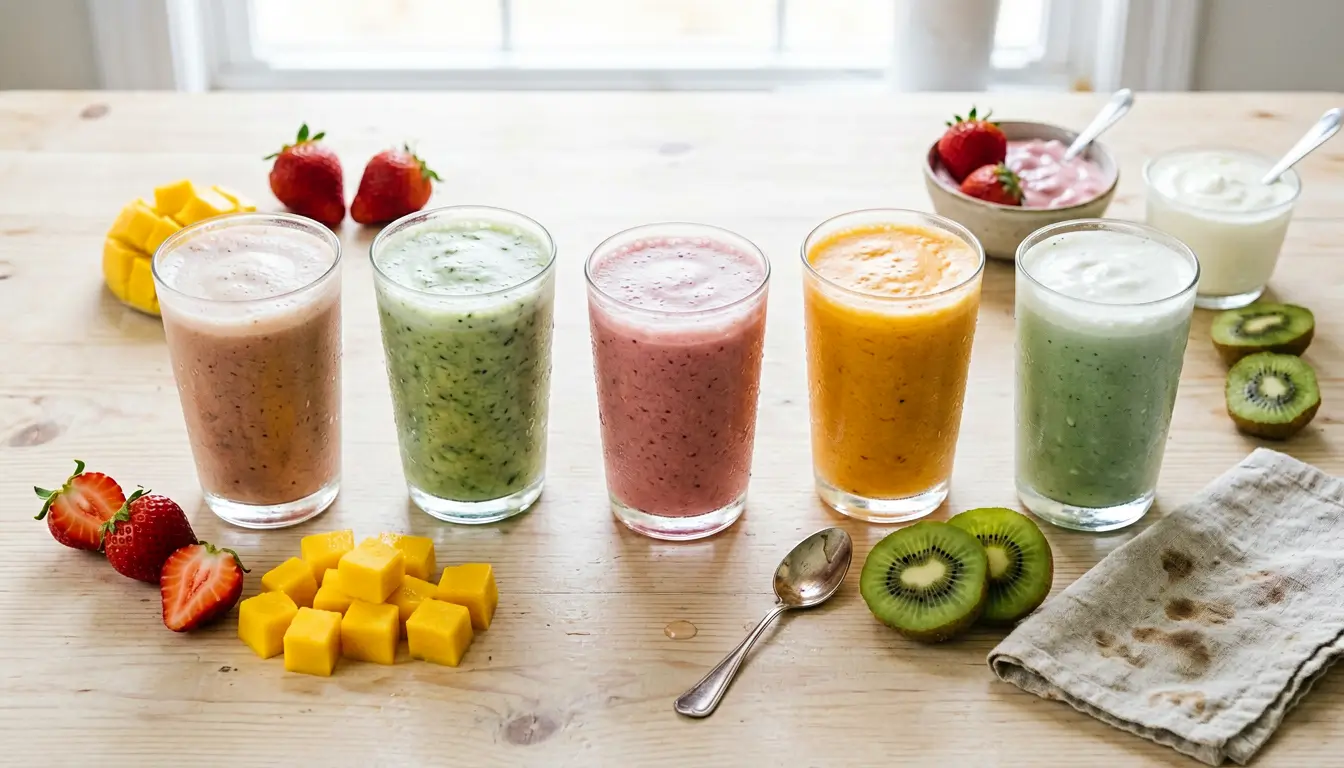
Best Variations
1. Strawberry banana fresh smoothie
Use fresh strawberries as the lead fruit and a little banana for body. This is the easiest all-around variation because it tastes bright but still blends smoothly.
2. Mango lime fresh smoothie
Fresh mango gives sweetness, and lime keeps it from tasting too soft. This is a strong choice when you want a clean tropical direction without much heaviness.
3. Watermelon berry fresh smoothie
Watermelon acts like both fruit and liquid, while strawberries or blackberries give it a deeper flavor. This is one of the best warm-weather variations.
4. Pineapple orange fresh smoothie
Pineapple and orange make a sharper, more citrusy blend than mango-based smoothies. It works well when you want something lively in the morning.
5. Peach vanilla smoothie
Fresh peaches, a little yogurt, and a touch of vanilla create a soft, mellow smoothie that still feels very fresh. This one works well as an afternoon snack.
6. Kiwi banana smoothie
Kiwi adds tartness, while banana keeps the texture from getting too thin. This version is refreshing without tasting watery.
7. Fresh green smoothie
Pair spinach or kale with mango, banana, and a little milk or yogurt. Greens blend more easily when they go in early, and fruit keeps the flavor friendly.
8. Papaya ginger smoothie
Papaya gives a gentle tropical base, and ginger sharpens the finish. This variation is a good fit when you want something softer than pineapple but not bland.
9. Avocado citrus smoothie
Use orange or lime with a little avocado for a smoothie that feels creamy but still fresh. The avocado changes the texture more than the flavor.
10. Dragon fruit pineapple smoothie
Dragon fruit keeps the flavor light, while pineapple adds the brightness it often needs. This one is especially good when you want something colorful and summery.
Common Mistakes
The biggest mistake is treating a fresh smoothie like a frozen smoothie. Fresh fruit brings more water, so the same amount of liquid that works in a frozen blend can make a fresh one runny. Start low and adjust only if the blender needs help.
Another common mistake is trying to make the smoothie do too much. Too many greens, too many powders, too many sweet add-ins, or too many fruits can bury the clean fresh flavor. Fresh smoothies are usually best when the ingredient list stays short.
The last mistake is serving them too late. Fresh blends lose their best texture faster than thicker, freezer-heavy smoothies. If you need something that holds longer, can I make smoothies ahead of time is worth reading before you prep.
What to Serve With It
Fresh smoothies pair best with foods that make breakfast or snack time feel more complete without making the whole meal heavy. Toast with nut butter, eggs, yogurt bowls, oats, granola, or simple muffins all work. If the smoothie is lighter, pairing it with something chewy or protein-rich helps it feel more satisfying.
That is also why these fresh blends work well beside more filling smoothie styles. If you know you want something heavier than this base method can give you, peanut butter banana smoothies and best smoothies can point you toward thicker breakfast options.
Storage and Reheating
Fresh smoothies are best the day you make them. If you need to hold one for later, use a sealed jar in the fridge and shake it before drinking. The texture will be less frosty, but the flavor can still hold up for a short window.
For a better make-ahead option, prep the fruit and greens in advance and blend right before drinking. That keeps the fresh flavor stronger and the texture closer to what you wanted in the first place. Reheating is not relevant here; if the smoothie warms up, it usually just needs chilling or rebending, not heat.
Frequently Asked Questions
What makes a smoothie taste fresh instead of heavy?
Fresh smoothies usually keep the ingredient list simpler, use less ice, and let ripe fruit lead the flavor. They also avoid too many thick add-ins that can mute the fruit.
Can I use only fresh fruit in a smoothie?
Yes, but you may need to be more careful with liquid because fresh fruit releases more water. A little frozen fruit can help if you want a colder or thicker result.
Which fruits are best for fresh smoothies?
Strawberries, peaches, mango, pineapple, watermelon, kiwi, papaya, and oranges all work well because they bring strong flavor without needing much help.
Do fresh smoothies need yogurt?
No. Yogurt can help with body and tang, but banana, avocado, oats, or just a careful liquid balance can also work.
Why do fresh smoothies separate faster?
They usually contain more water-rich fruit and less frozen texture support, so they loosen and separate more quickly after blending.
Can I prep fresh smoothies ahead of time?
Yes, but it usually works better to prep the ingredients ahead and blend later than to store the fully blended smoothie for too long.
For lighter fruit-only ideas, fresh fruit smoothie recipes stay closest to this style. If you want more flavor combinations, best fruit smoothies goes wider. When the fruit tastes good but the glass pours thin, thicker smoothie technique is the better fix.