
As an affiliate, we may earn a commission from qualifying purchases. We get commissions for purchases made through links on this website from Amazon and other third parties.
Smoothie recipes are just blendable formulas for turning fruit, liquid, and a few supporting ingredients into one cold drink. Some are built for breakfast, some are meant to feel lighter, and some are designed to be more filling after a workout or during a busy morning.
What makes smoothie recipes useful is not complexity. It is repeatability. A good smoothie recipe gives you a clear mix of base ingredients, texture support, and flavor so you can make the drink quickly without guessing every time. If you want the basic blending method first, start with how smoothies are made and how to make a smoothie step by step.
Quick Answer
Smoothie recipes are simple guides for blending fruit, vegetables, liquid, and optional add-ins into a thick drink. Most recipes exist to solve a practical need, like making breakfast faster, using more produce, building a portable snack, or creating a post-workout drink that is easy to sip.
The best smoothie recipes are usually flexible. You can swap the fruit, change the liquid, or make the drink thicker or lighter without losing the whole idea.
What It Is / When to Use It
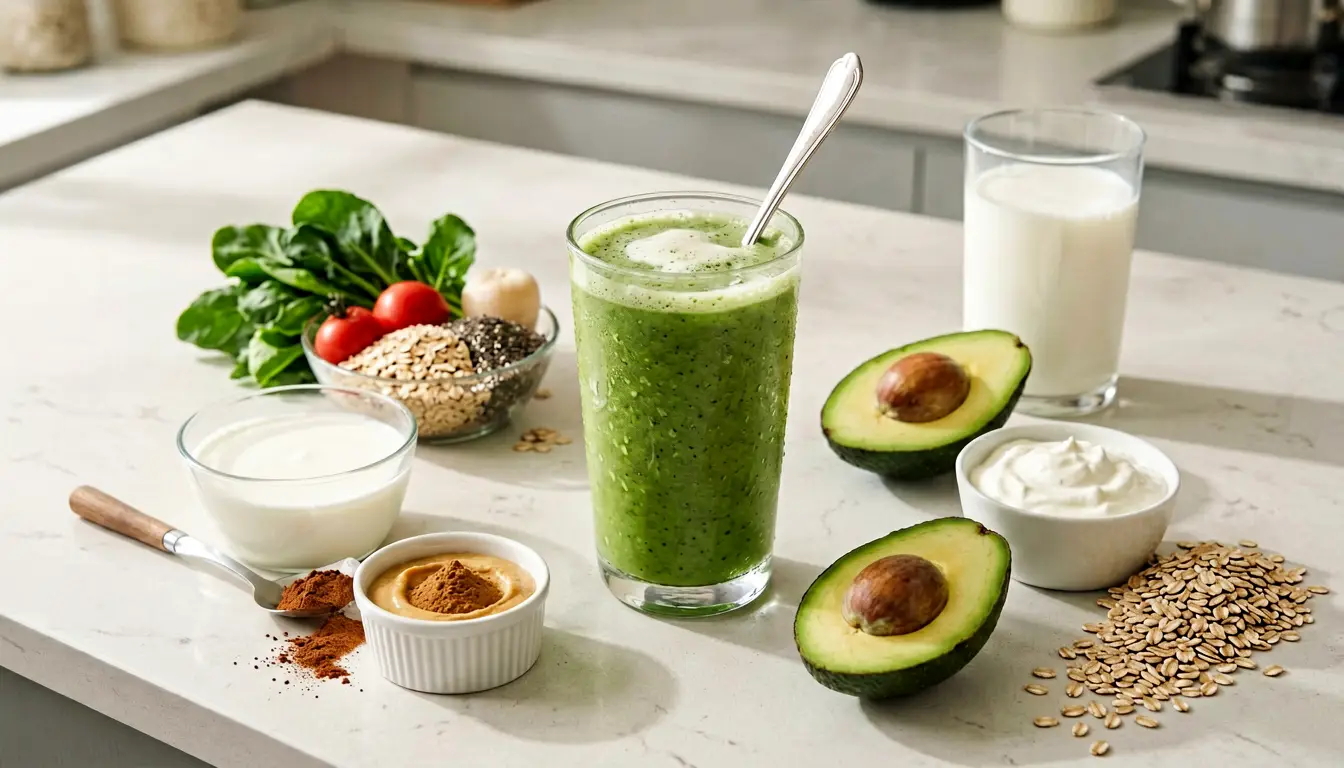
A smoothie recipe is less like strict baking and more like a framework. Most follow the same pattern: fruit for flavor, liquid to get the blender moving, and one or two ingredients that change the texture or make the drink feel more satisfying.
That is why smoothie recipes show up in so many parts of daily life. They work well when you need breakfast in a hurry, when solid food does not sound appealing yet, or when you want an easy way to use frozen fruit, yogurt, greens, oats, or nut butter in one glass. The busiest recipes lean on convenience, which is also why smoothie prep and make-ahead smoothies matter so much.
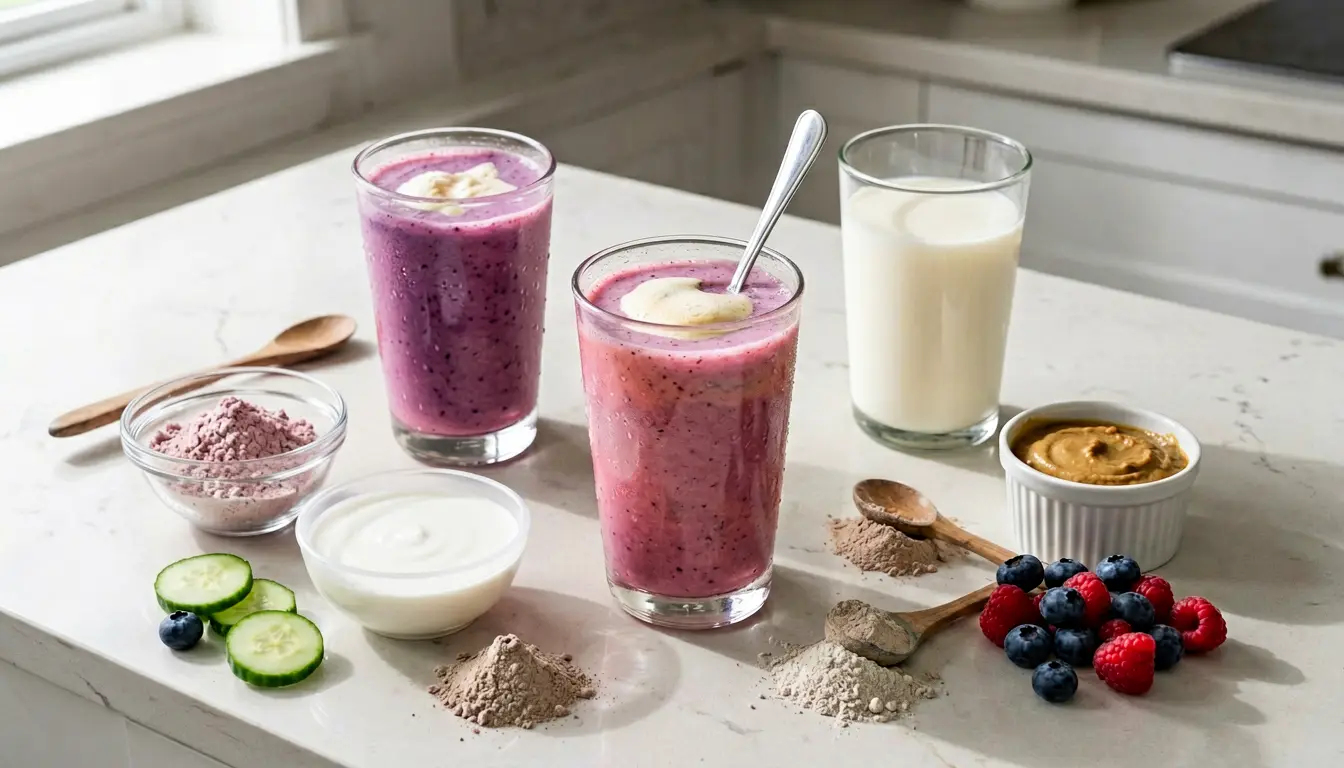
Smoothie recipes can also point in different directions. Some are fruit-first and refreshing. Some are thicker and built more like a meal. Some are designed around greens, protein, or dairy-free ingredients. If that variety is what you want to sort out, smoothie types make the choices easier to compare.
Substitutes / Swaps
Most smoothie recipes are built to bend. If a recipe uses milk, you can often swap in water, coconut water, or plant milk for a lighter drink. If it uses yogurt, you can often switch to banana, avocado, or oats to keep body in the blend.
Fresh fruit and frozen fruit can trade places too, but the result changes. Frozen fruit gives a colder, thicker smoothie. Fresh fruit keeps the flavor bright but usually needs a little more help from ice, yogurt, or another thickener. That same tradeoff shows up in what smoothies are usually made of and what smoothies consist of.
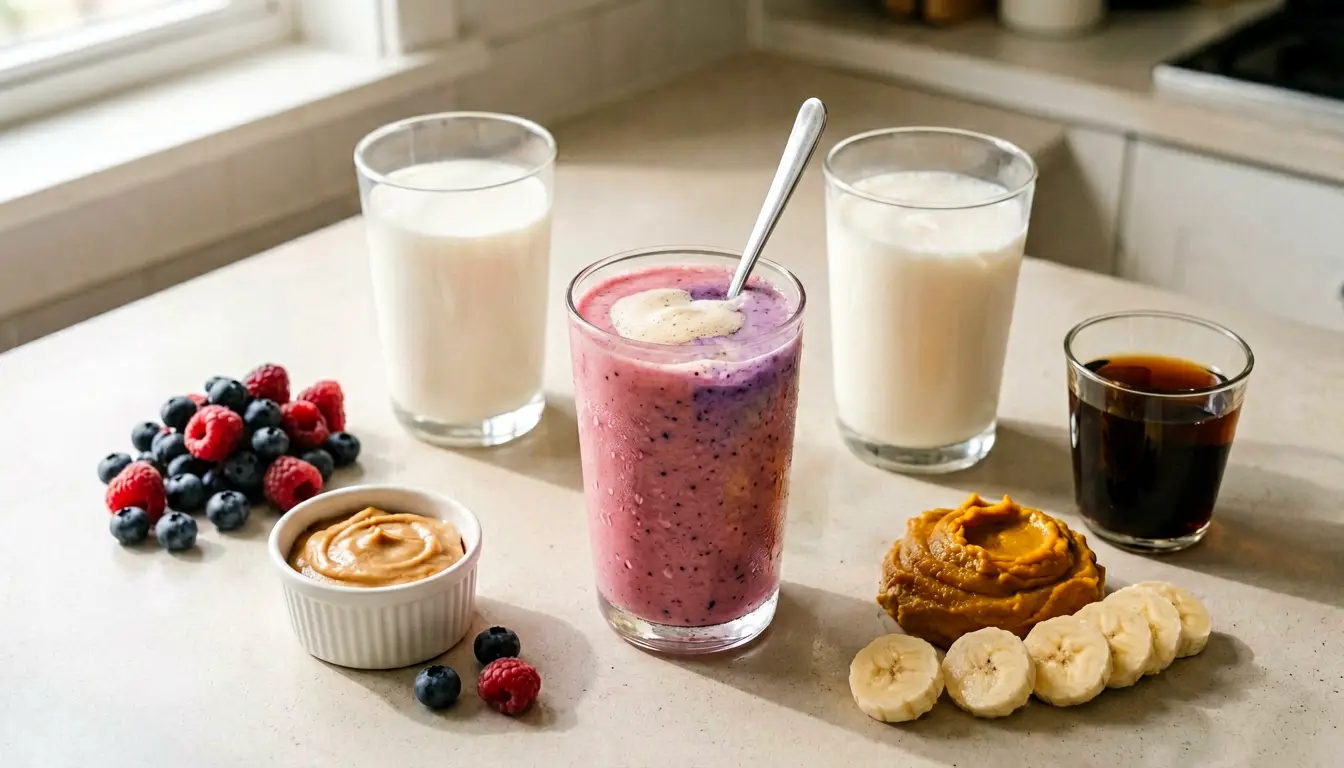
If a smoothie recipe feels too heavy for the moment, strip it down instead of piling on more ingredients. A lighter fruit smoothie often needs only fruit, liquid, and maybe one creamy add-in. A more filling version can use oats, cottage cheese, peanut butter, or yogurt. You do not need every "healthy" ingredient in the kitchen to make the recipe work.
Prep Tips
Start with the job of the smoothie recipe before you start with the ingredients. Is it for breakfast, a snack, a post-workout drink, or a way to use extra fruit? Once the purpose is clear, the recipe gets easier to build and easier to repeat.
Keep the ingredient list tighter than you think. Many of the best smoothie recipes are good because they focus on one main flavor family instead of trying to include berries, tropical fruit, greens, seeds, nut butter, protein powder, and spice all at once. If you want flavor ideas that stay balanced, good smoothie combos and must-have smoothie ingredients are better guides than random add-ins.
The other big tip is to respect texture. Add the liquid first, then softer ingredients, then fruit, then frozen items on top. That order helps the blender work faster and keeps you from overpouring the liquid just to get the blades moving.
Storage / Reheat / Freeze
Most smoothie recipes are written for fresh blending because texture is part of the point. A smoothie that sits too long can separate, lose some of its cold body, or turn thinner than expected.
If you want the convenience without the texture drop, prep smoothie packs instead of storing the finished drink. Portion the fruit and add-ins ahead, keep them frozen, and add the liquid only when you are ready to blend. That keeps the recipe fast without asking the smoothie to hold its best texture for hours.
Blended smoothies can still be kept for later when needed, but they usually need a shake or quick reblend before drinking. For more on timing and storage, read how can I store smoothies and will smoothies keep overnight.
Frequently Asked Questions
Are smoothie recipes always healthy?
No. Smoothie recipes can be light, balanced, sweet, filling, or dessert-like depending on the ingredients and portions.
What is the basic formula for a smoothie recipe?
Most smoothie recipes use fruit, a liquid, and one or two ingredients that add creaminess, thickness, or staying power.
Can I make smoothie recipes without yogurt?
Yes. Banana, avocado, oats, nut butter, and frozen fruit can all help create body without yogurt.
Why do smoothie recipes use frozen fruit so often?
Frozen fruit helps keep the smoothie cold and thick without watering it down as much as extra ice.
Are smoothie recipes meant for breakfast only?
No. They can work for breakfast, snacks, post-workout drinks, or quick portable meals depending on how they are built.
For the ingredient side, start with what smoothies are usually made of and what smoothies consist of. If you are choosing fruit, good smoothie fruit will help with flavor, while the best things to put in smoothies covers add-ins for body and balance.