
As an affiliate, we may earn a commission from qualifying purchases. We get commissions for purchases made through links on this website from Amazon and other third parties.
People drink smoothies because they are convenient, flexible, and easy to fit into busy routines. A smoothie can be breakfast, a snack, a portable option, or simply a good way to use fruit that might otherwise sit untouched.
The reason to drink smoothies is usually not complicated. They solve everyday food problems in a drinkable format.
Quick Answer
People drink smoothies because they are quick to make, easy to customize, easy to carry, and useful for breakfasts, snacks, and fruit-forward routines. Their biggest strength is often convenience.
A smoothie is usually less about novelty and more about making everyday eating easier.
Convenience
Smoothies are fast. You can blend fruit, liquid, and a few support ingredients in minutes, especially if you keep frozen fruit or prep packs ready.
That makes smoothies useful when cooking feels like too much work or when breakfast needs to move with you. If timing is the issue, the best time to drink smoothies helps match the drink to the moment.
Flexibility
Smoothies can be light, creamy, fruity, green, rich, or breakfast-style. The same basic method can shift depending on the fruit, liquid, and texture helpers you choose.
That flexibility is why smoothies work for many different routines. If you want the bigger purpose question, the purpose of smoothies explains the roles more directly.
Fruit and Ingredient Use
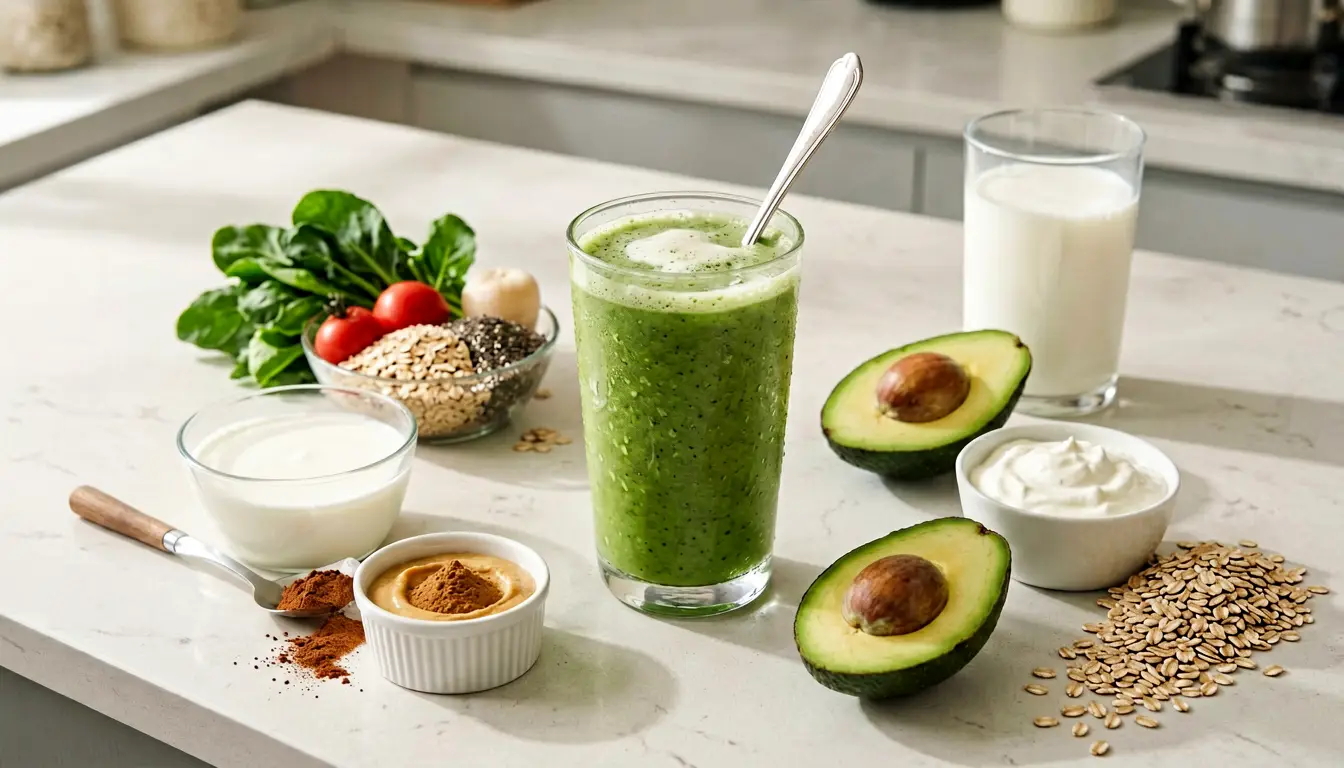
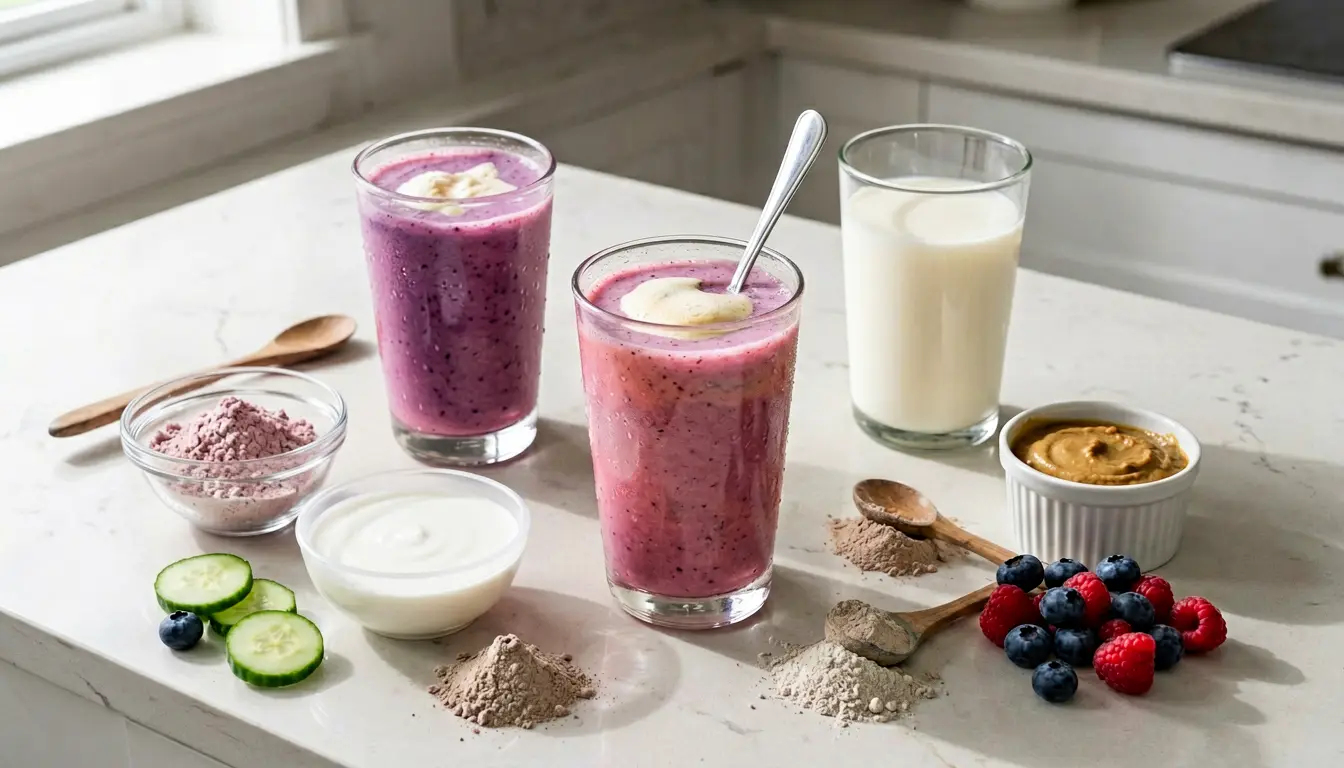
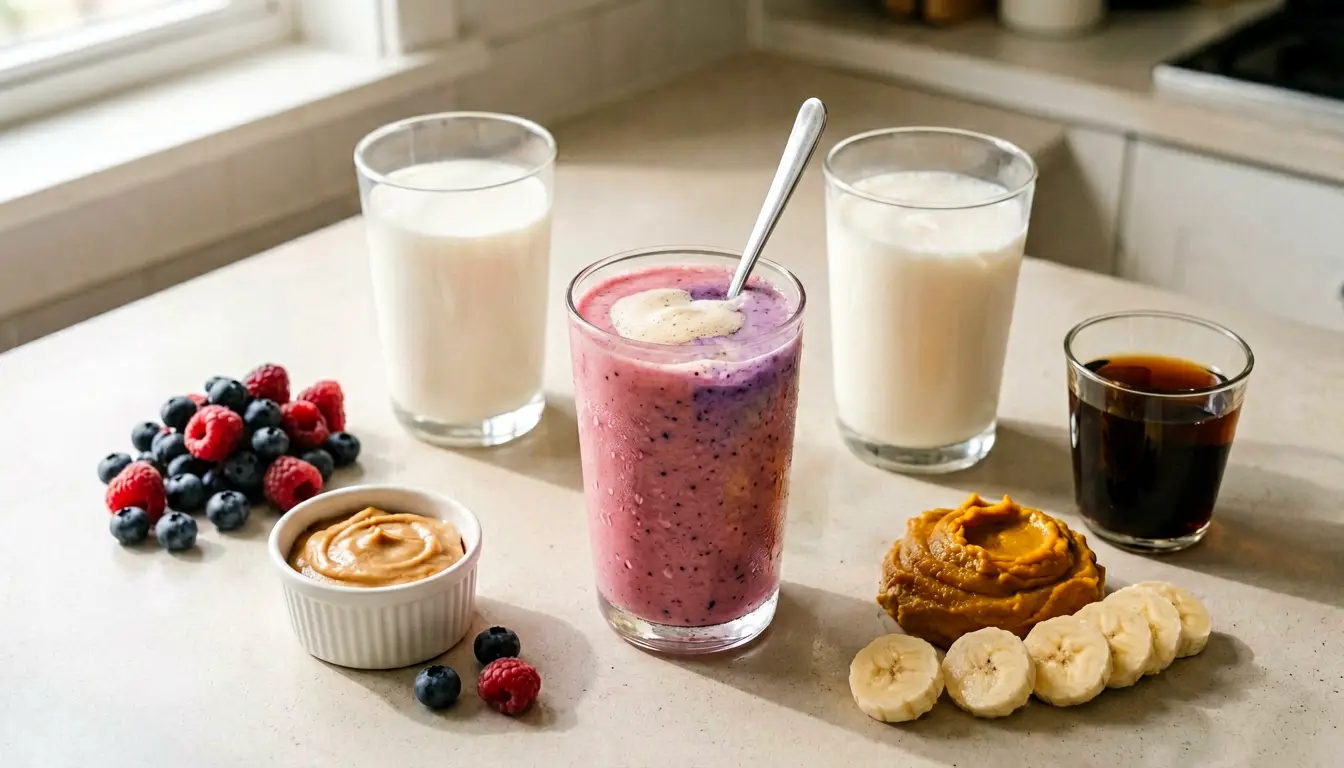
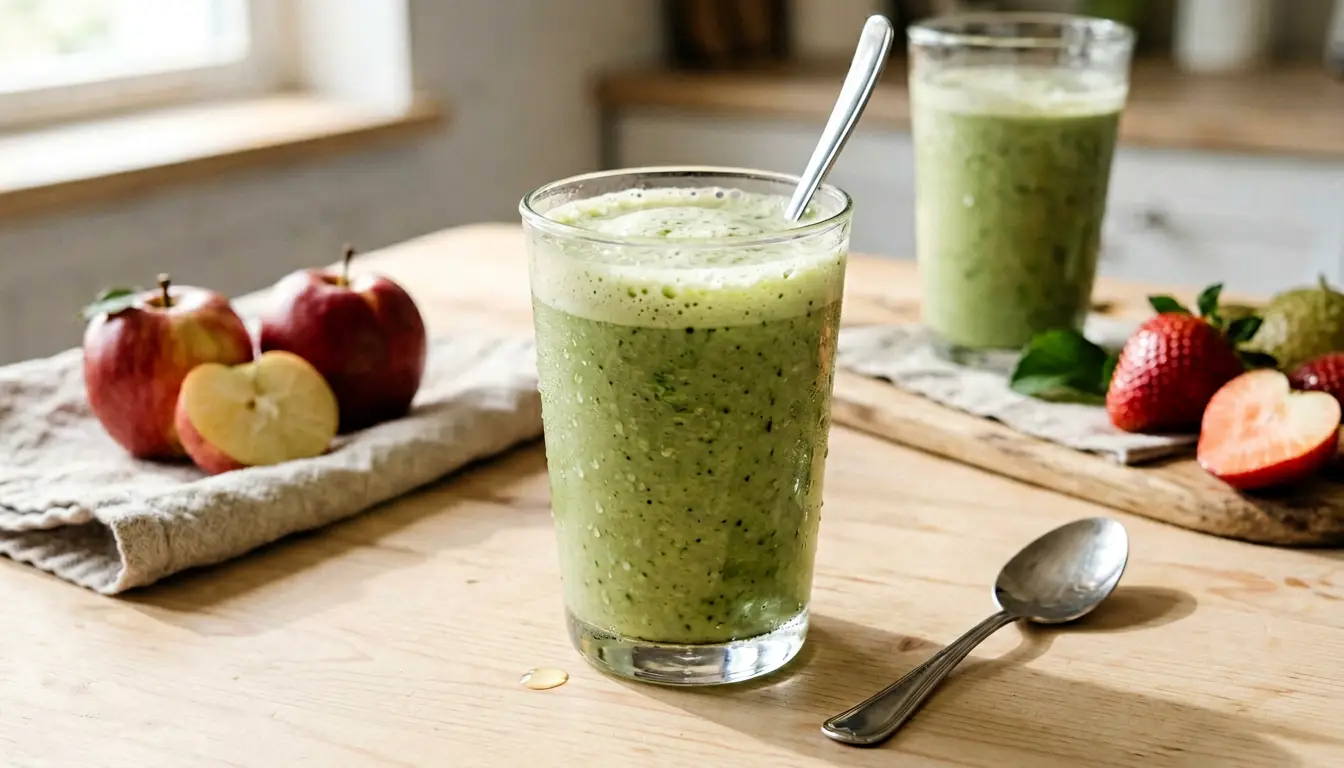
Smoothies are a practical way to use ripe fruit, frozen fruit, greens, yogurt, milk, oats, nut butter, and other everyday ingredients. They can also rescue fruit that is still good but past its best-looking stage.
The key is not to throw everything in at once. A better smoothie usually has a clear job. For ingredient planning, smoothie ingredients to keep on hand is the better next read.
Breakfast and Snack Fit
Smoothies fit breakfast because they can be fast and filling. They fit snack time because they can be kept light and refreshing. The same format can work differently depending on how you build it.
If the smoothie needs to act more like food, add body from yogurt, oats, avocado, cottage cheese, nut butter, or milk. If it is only a snack, fruit and a lighter liquid may be enough. Whether smoothies can replace meals covers the fuller version.
Portability
Smoothies travel well in a sealed cup. That makes them useful for mornings, errands, workdays, or any time a sit-down meal is harder to manage.
Storage still matters. Freshly blended usually tastes best, but prep packs and short-term cold storage can make the habit easier. For that side of the routine, making smoothies ahead of time and how to store smoothies are useful.
Common Mistakes
The biggest mistake is assuming you need a dramatic reason to drink smoothies. Often the reason is simply that they fit the day well.
Another mistake is turning every smoothie into a complicated project. That removes one of the main benefits. Simple smoothies are often the most useful ones.
Frequently Asked Questions
What is the main reason people drink smoothies?
Convenience is usually the biggest reason.
Are smoothies mainly for breakfast?
Breakfast is common, but smoothies also work well as snacks and portable meal-style options.
Why are smoothies easier than some other breakfasts?
They are quick, flexible, and easy to take on the go.
Do people drink smoothies only for health reasons?
No. Many people drink them because they are practical, enjoyable, and easy to customize.
Why do smoothies stay popular?
They stay popular because they solve everyday routine problems in a simple way.
Do smoothies need to be complicated to be useful?
No. Simple smoothies are often the most useful ones.
If you want the surrounding pages next, continue with the purpose of smoothies for the big-picture role, what smoothies help with for practical uses, whether smoothies work for expectations, and whether smoothies are good for you for tradeoffs.